

Discover 10 notable football players who own clubs, including David Beckham, Ronaldo Nazário, and Mbappé, and how they’re shaping football beyond the pitch.
Football players’ accomplishments on the pitch are no longer the only things that define them. Elite players are increasingly taking on ownership positions in the modern game, using their resources, expertise, and worldwide influence to influence football from the boardroom.
 "10 Well-Known Football Players Who Run Football Teams and Earn Money Off the Field 2")
Many players, both current and retired, are investing in teams throughout Europe, the Americas, and beyond as compensation, sponsorships, and business prospects continue to rise. A new era where football players become long-term stakeholders in the sport’s future is reflected in this expanding trend.
Ten prominent football players who own or have substantial investments in football teams are listed below, along with an explanation of how their involvement is changing the modern game.
1. David Beckham
 "10 Well-Known Football Players Who Run Football Teams and Earn Money Off the Field 3")
Many people consider David Beckham to be the father of player ownership in contemporary sport. With the use of a clause in his LA Galaxy contract, the former captain of England co-founded Inter Miami CF in Major League Soccer.
With the historic signing of Lionel Messi, Beckham has made Inter Miami a worldwide brand since the club’s founding in 2020. Outside of the US, Beckham and his old Manchester United teammates co-own Salford City in England. Football players who want to enter the commercial side of the game can now follow his ownership career as a model.
2. Ronaldo Nazário
 "10 Well-Known Football Players Who Run Football Teams and Earn Money Off the Field")
One of the most ambitious paths to ownership has been adopted by Brazilian legend Ronaldo Nazário. He bought a majority share in Real Valladolid, a Spanish team, in 2018 before concentrating on Brazil. Ronaldo bought the majority of Cruzeiro, the team where his professional career started, in 2021.
Cruzeiro benefited from Ronaldo’s reorganisation initiatives, administrative changes, and revitalised sporting vision despite the team’s dire financial circumstances at the time. His ownership is a reflection of both business pragmatism and a deep emotional connection to his roots.
3. Gerard Piqué
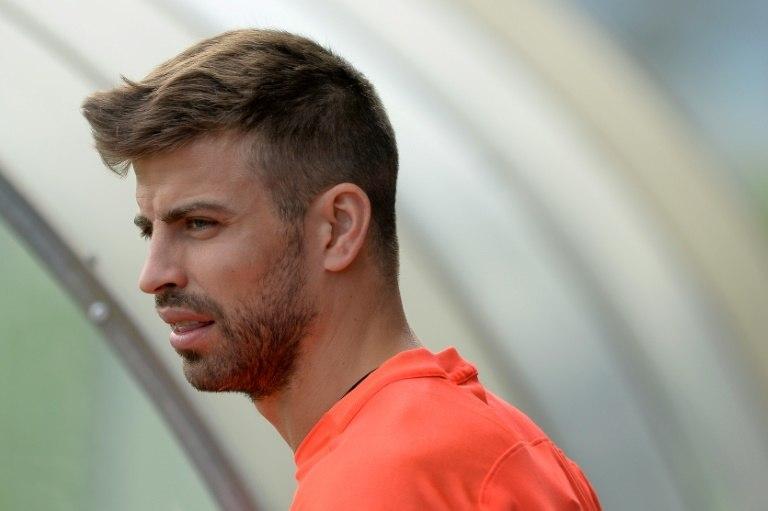
While still a player, former Barcelona defender Gerard Piqué became the club’s owner. In 2018, Piqué purchased FC Andorra through his investment firm, Kosmos Holding. Under his direction, the team competed in Spain’s football system and quickly advanced through the divisions to the Segunda América.
Piqué made significant investments in digital engagement, professional management, and infrastructure to establish FC Andorra as a cutting-edge football project.
4. Didier Drogba
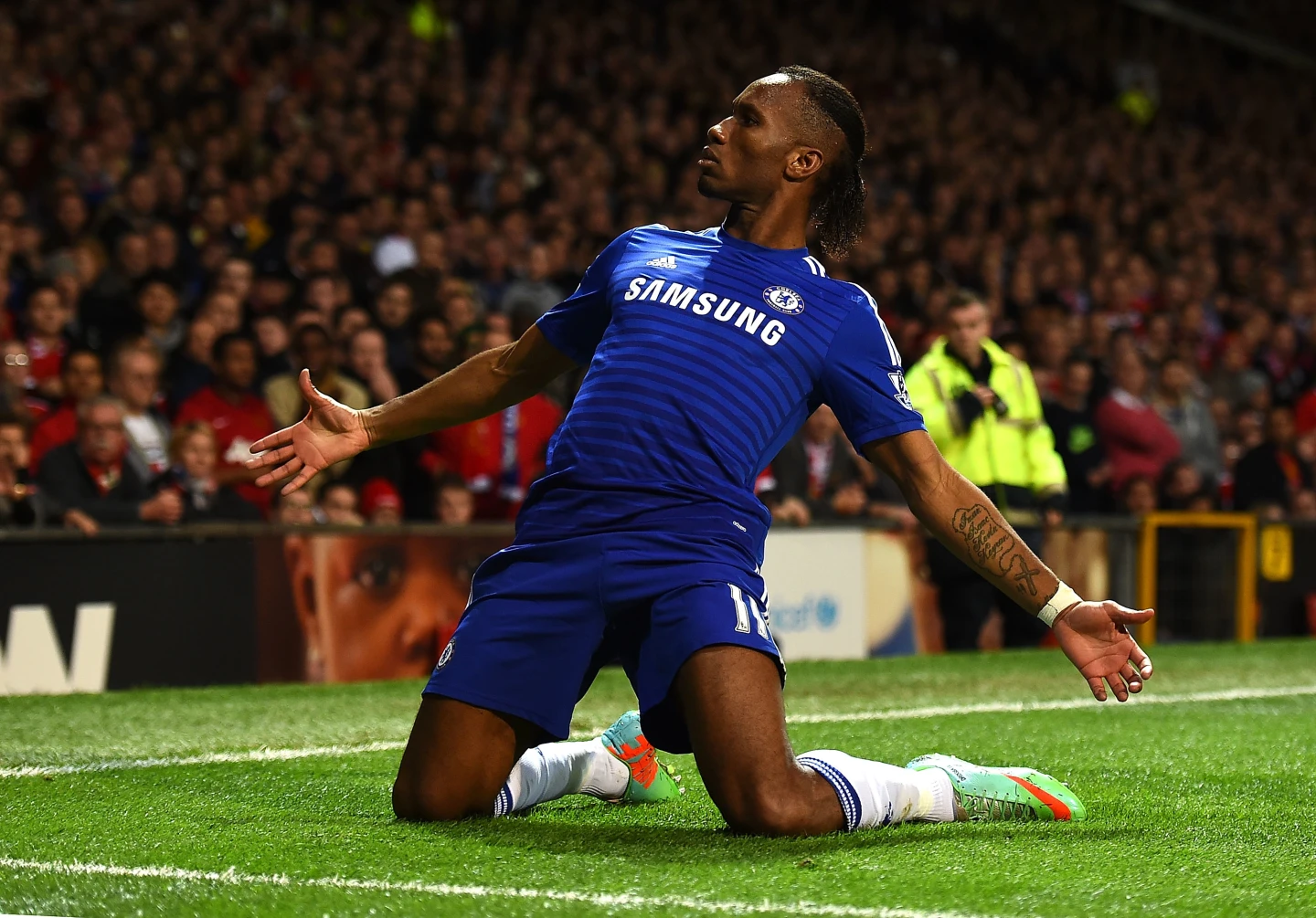
Didier Drogba, an Ivory Coast and Chelsea icon, became a trailblazer in 2017 when he joined Phoenix Rising FC as a co-owner and player. Despite his short playing career, Drogba retained his ownership position and contributed to the club’s increased visibility in the US.
His participation increased Phoenix Rising’s visibility abroad and strengthened the rising allure of American football initiatives for former worldwide celebrities.
5. Zlatan Ibrahimović
 "10 Well-Known Football Players Who Run Football Teams and Earn Money Off the Field 6")
In 2019, Zlatan Ibrahimović, a Swedish superstar, purchased a minority share in Hammarby IF, one of the country’s leading clubs. Due to his past connections to rival Malmö FF, his investment caused controversy but also demonstrated his dedication to advancing Swedish football. Zlatan’s ownership is primarily strategic, fusing long-term football growth goals with brand value.
6. Cesc Fàbregas
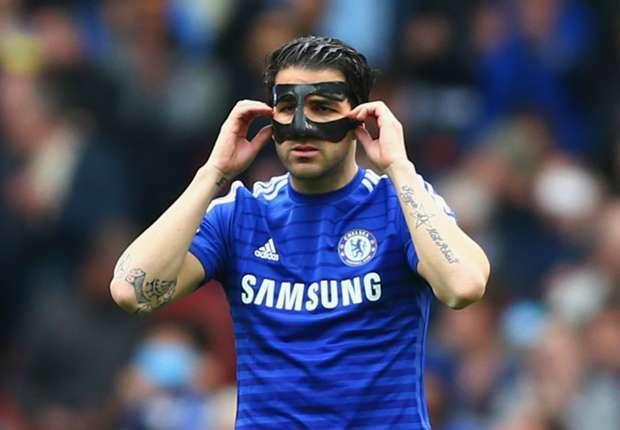
Cesc Fàbregas, a former midfielder for Barcelona and Arsenal, took a more natural route to ownership. Fàbregas joined Como 1907 as a player, went on to become a stakeholder, and eventually became a coach.
His transition from player to owner-administrator was one of the most successful in recent memory, as his leadership and football acumen helped Como return to Serie A.
7. Kylian Mbappé
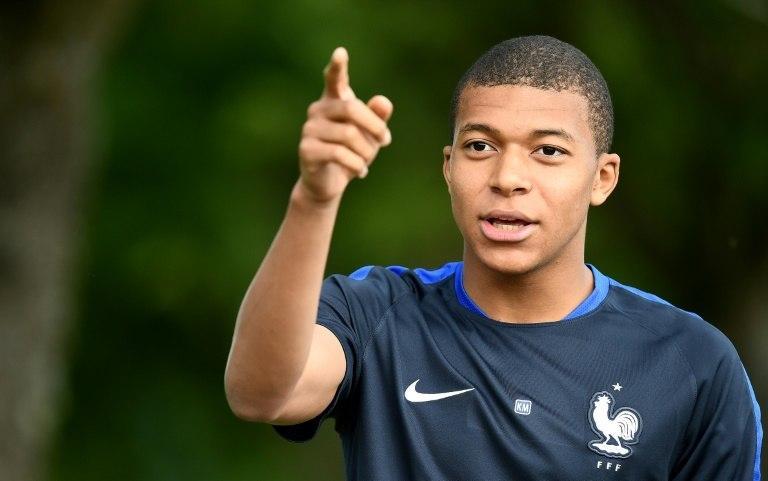
Kylian Mbappé became a significant shareholder in SM Caen, a French Ligue 2 team strongly associated with his early career, in an uncommon move for an active superstar. Mbappé became one of the youngest current players to own a professional football team thanks to the investment.
His decision is indicative of a new generation of football players who see ownership as a long-term career strategy rather than a post-retirement goal.
8. Luka Modrić
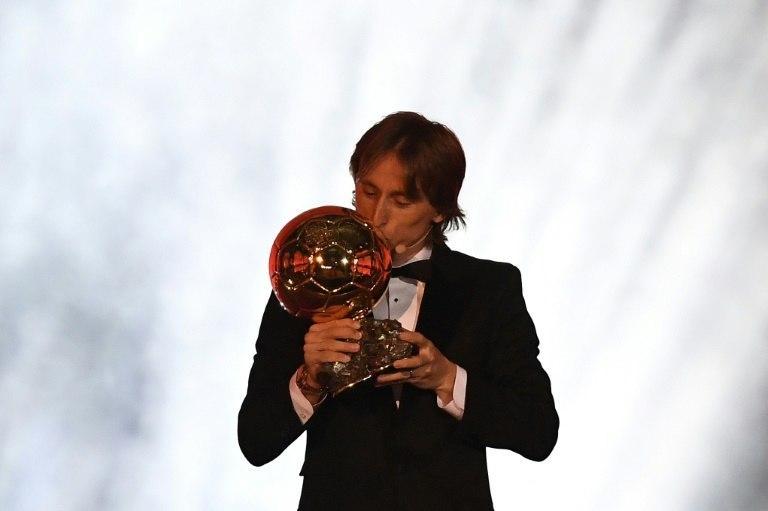
Luka Modrić, a legend from Real Madrid and Croatia, became a minority stakeholder in Swansea City’s ownership group. Modrić offers the Championship club leadership insight, worldwide prestige, and football expertise, even though his ownership is not controlling. His participation demonstrates how top players may contribute in ways other than just money.
9. Héctor Bellerín
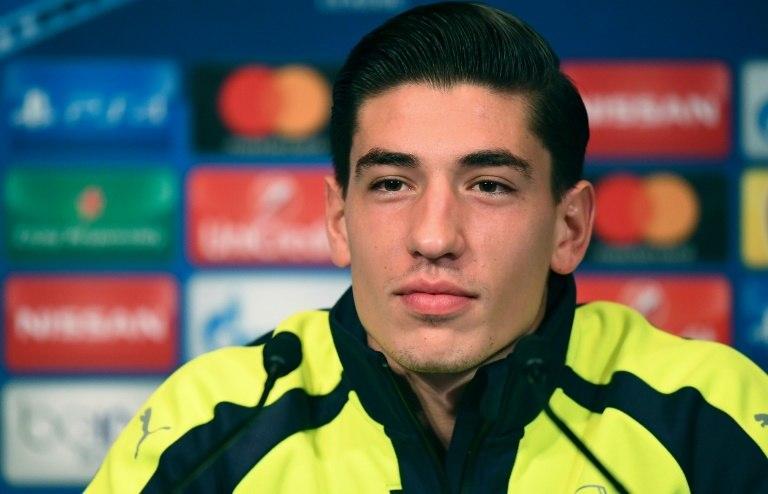
Full-back from Spain Héctor Bellerín adopted a unique ownership strategy by acquiring a large stake in Forest Green Rovers, an environmentally conscious football team in England. Bellerín’s personal ideals are strongly aligned with the club, which is well-known for its dedication to sustainability, vegan operations, and environmental advocacy. His investment demonstrates how owning a sports team can support environmental and social issues.
10. César Azpilicueta
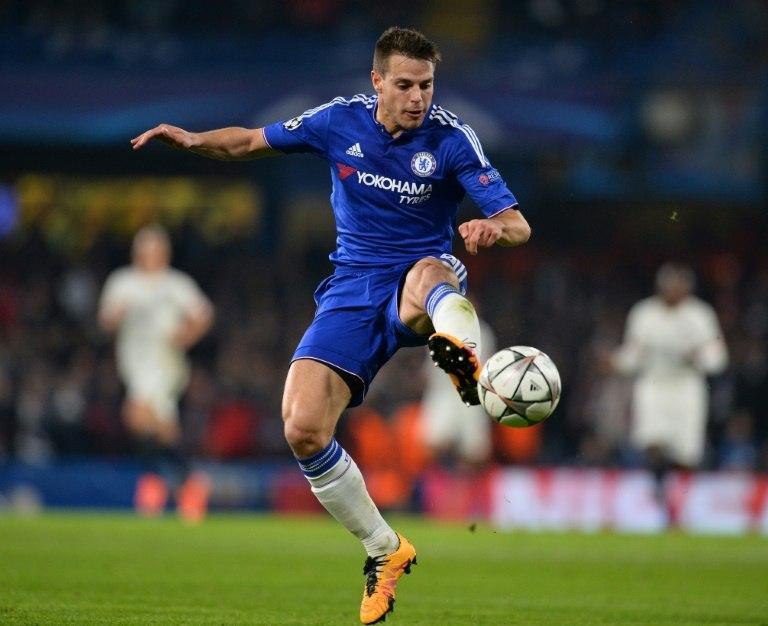
Former Chelsea captain César Azpilicueta made an investment in Hashtag United, a non-league team in England that sprang from the culture of digital football. His participation exemplifies a contemporary, media-driven ownership strategy that combines traditional football structures with cutting-edge internet branding and fan interaction.
Other stories
10 African nations that have produced the most influential musicians
View a picture of the NPP candidate for parliament following his imprisonment in the US
Son reveals why Yaw Sarpong was relocated from Bishop JY Adu’s residence prior to his death.
A video of Morocco’s “abandoned” AFCON victory parade bus has gone viral.
“Well done, him!” Online, Ghanaians respond to “Prophet” Ebo Noah’s detention
As multitudes assemble for the Alpha Hour crossover, “MoMo” miracles abound.
About the Author