
Residents of Odumase-Krobo in the Lower Manya Krobo Municipality have gained another option for accessing medicines outside conventional business hours following the opening of a 24-hour branch of Tymcoin Pharmacies. The Ghana News Agency reported the opening on October 17, describing the facility as part of private-sector participation in the government’s 24-Hour Economy Programme.
The company’s chief executive, Dr Emmanuel Matey Philansmith, said the branch is intended to make pharmaceutical services available at night and during periods when many pharmacies are closed. The inauguration also included a community health-screening exercise that attracted more than the targeted 2,000 participants, according to the report.
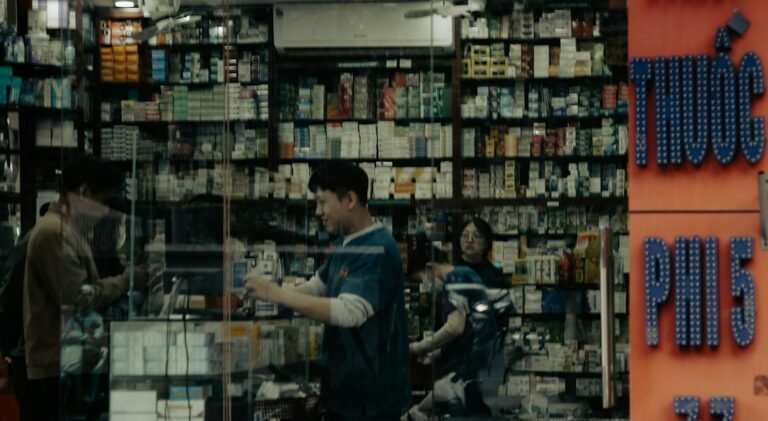
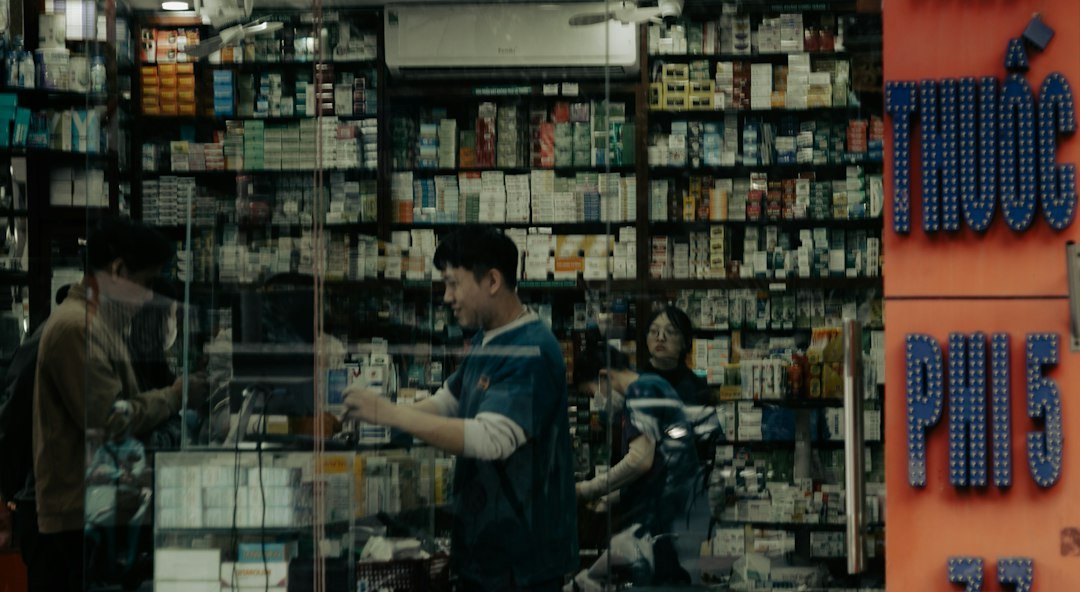
Photo note: The featured pharmacy image is illustrative and is not identified as a photograph of the new Odumase-Krobo branch.
Why access after normal business hours matters
Health needs do not always arise during the day. People may need to obtain a prescribed medicine after returning from work, while caregivers may discover that supplies are running low late in the evening. A pharmacy that operates overnight can offer added convenience when residents need access to medicines and professional pharmaceutical services.
Availability is not the same as emergency medical care, however. A pharmacy can help with appropriate medicine access and pharmacist guidance, but people experiencing severe symptoms or a medical emergency should seek urgent care from an appropriate health facility or emergency service. Residents should also confirm which services and medicines are available at the branch rather than assume every product is always in stock.
For people managing long-term conditions, planning ahead remains important. Patients should follow instructions from their healthcare professionals, avoid changing doses without advice and ask a pharmacist or clinician when they are unsure about a medicine, its side effects or how it interacts with other treatments.
What the company said about the new branch
According to GNA, Dr Philansmith said the company wanted to bring pharmaceutical services closer to residents and support economic activity beyond standard operating hours. The new facility adds to the company’s branches in different parts of Ghana.
The government’s 24-Hour Economy Programme seeks to encourage productivity, employment and economic activity by supporting operations outside conventional working hours. The opening of a private pharmacy is one example of how a business can extend its operating schedule to meet local demand. Whether such a model can be sustained depends on staffing, operating costs, medicine supply, security and the number of customers who use the service.
For residents, the practical value will be measured by consistent opening hours, reliable stock, clear prices and access to qualified personnel. A sign advertising 24-hour service is useful only if the facility can maintain it consistently.
Health screening highlighted the need for routine checks
The inauguration included a community screening exercise for conditions including hypertension, diabetes, malaria, typhoid fever and hepatitis. The GNA report said more than 2,000 people attended, exceeding the organisers’ target. The company’s chief executive expressed concern about elevated blood pressure and blood-sugar readings identified among some participants.
A screening result is not always a final diagnosis. People who receive an abnormal result should follow the advice of qualified healthcare professionals and arrange any recommended confirmatory testing or follow-up. Blood pressure and blood glucose can be affected by several factors, and interpretation depends on the measurements, the person’s circumstances and clinical assessment.
Community screening can be useful because some conditions do not produce obvious symptoms in their early stages. However, screening is only one step. People need accessible follow-up care, reliable information and support to manage a condition if it is diagnosed.
How residents can use pharmacy services safely
When obtaining medicine, residents should confirm the medicine name, strength, dose and instructions with a qualified pharmacist or their prescriber. Keep medicines in their original packaging where possible and store them according to the label. Do not share prescription medicines with another person, and do not use antibiotics or other prescription treatments without appropriate professional guidance.
Customers should ask about possible interactions if they take several medicines or have questions about a new product. If a medicine appears different from what was prescribed, or the packaging is damaged or suspicious, seek clarification before using it. Keep receipts and follow the provider’s procedure for raising a concern.
For urgent symptoms, do not delay emergency assessment simply because a pharmacy is open. Overnight pharmacy access can improve convenience, but it does not replace hospitals, clinics or emergency services when a patient needs urgent medical evaluation.
What the opening could mean for the local economy
Extended operating hours may create shifts for pharmacy staff and support other services around a business that remains open late. Customers may be able to combine medicine collection with travel or work schedules that would otherwise make access difficult. The broader economic impact depends on whether businesses can maintain safe operations and whether local demand supports the additional hours.
For the 24-Hour Economy Programme to deliver lasting results, businesses need more than extended opening times. Reliable electricity, secure premises, transport, supply chains and trained staff all contribute to the ability to operate safely overnight. The pharmacy’s performance over time will help show how the model serves the community.
What residents should look for next
Residents should confirm the branch’s address, contact details, available services and any medicine-specific requirements directly with the pharmacy. They should also check that the facility is appropriately licensed and staffed by qualified professionals. For medical concerns, use recognised healthcare providers and do not rely on social-media claims about treatments or miracle cures.
Read the Ghana News Agency report on the Odumase-Krobo pharmacy opening for the original announcement. TuneOn covers Ghanaian news alongside radio and music updates. Visit TuneOn.net to explore radio stations and read our feature on how FM and digital audio are changing listening in Ghana.
Frequently asked questions
Where has the new 24-hour pharmacy opened?
The reported branch is in Odumase-Krobo, within the Lower Manya Krobo Municipality in Ghana’s Eastern Region.
Does a 24-hour pharmacy replace hospital emergency care?
No. Pharmacy services can support access to medicines, but severe symptoms and emergencies require urgent assessment at an appropriate health facility.
What should someone do after an abnormal screening result?
Follow up with a qualified healthcare professional for advice and any recommended confirmatory tests. A screening result alone may not establish a diagnosis.
About the Author