
Published October 15, 2026 | TuneOn Radio
Accra is hosting the 10th Triennial World Assemblies of God Congress, a three-day gathering that has brought more than 10,000 delegates from around the world to Ghana. The Ghana News Agency reported on October 14 that President John Dramani Mahama officially opened the congress, which is being held in Africa for the first time in the fellowship’s 115-year history. Its theme is “Commissioned: One Mandate, Every Nation.”
The President called for peaceful coexistence and mutual respect among people of different faiths, while urging churches to promote honesty, compassion, responsible citizenship and care for vulnerable people. The congress is hosted by Assemblies of God, Ghana, under the leadership of its General Superintendent, Rev. Dr Stephen Yenusom Wengam, with Rev. Dominic Yeo serving as global chairman of the World Assemblies of God Fellowship.
Why a global church gathering matters to Ghana
Large international gatherings can bring attention to a host country’s religious communities, hospitality sector and cultural life. Their longer-term value depends on what participants carry home: strengthened relationships, practical ideas for community service, support for local institutions and partnerships that continue after delegates leave. Attendance figures show the scale of the event, but they do not alone measure its social or economic impact.
The congress also creates a moment for conversations about how faith communities can serve people beyond their congregations. The President’s remarks highlighted the responsibility of religious institutions to respect Ghana’s religious diversity and maintain moral independence when speaking about injustice and human suffering. These are public-interest themes that can be discussed through church meetings, community programmes and responsible media coverage.
Gospel music is part of how communities connect
For many listeners, gospel music is not simply entertainment. Songs can help people express faith, remember family and community experiences, and feel connected to a congregation even when they live far away. Choirs, worship leaders, instrumentalists, composers and producers all contribute to a musical tradition that changes across regions, languages and generations.
International church gatherings can create opportunities for musicians and worship teams to learn from one another, but audiences should not assume that a particular artist is performing unless organisers or the artist have confirmed it. The official congress information cited in this report does not establish a performance line-up. TuneOn will identify any concerts, public sessions or music appearances only when supported by a reliable announcement.
The role of radio in reaching listeners who cannot attend
Radio and digital audio can extend the reach of religious and cultural events beyond the people physically present. A broadcaster may provide interviews, explain the event’s background, share approved highlights, or discuss the messages delivered by speakers. For listeners who cannot travel to Accra, accessible coverage can help them understand why the gathering matters and how its themes relate to everyday life.
Responsible coverage also requires clear boundaries. Stations should distinguish live reporting from recorded material, identify commentary as commentary, and obtain permission before rebroadcasting protected music or event recordings. A clip circulating on social media is not automatically authorised for use, and an edited video may omit important context. Confirming dates, names and quotations protects both audiences and the people being covered.
Faith, public service and religious diversity
The congress arrives in a country where people of different religious traditions live and work together. The President’s call for mutual respect places attention on the civic role of religious institutions: supporting vulnerable people, encouraging integrity and contributing to peaceful communities without excluding citizens who hold different beliefs.
Churches and media organisations can support that goal by creating space for thoughtful discussion, avoiding inflammatory claims and highlighting practical community work. Religious freedom includes the ability to worship, but public life also requires fairness and equal treatment for people of every faith and for those who do not identify with a religion.
What listeners should look for next
The congress runs over three days, so official updates may provide further details about its sessions and outcomes. Listeners should look for statements from the organisers and verified reporting rather than unconfirmed schedules, artist appearances or attendance claims. Where a broadcast or recording is available, check the publisher and date before sharing it.
For TuneOn, the event is also a reminder of the value of gospel and community radio as a bridge between local audiences and wider conversations. The most useful coverage will connect the scale of the gathering with the issues raised by its speakers, while giving listeners accurate context and avoiding exaggerated claims about what the event has already achieved.
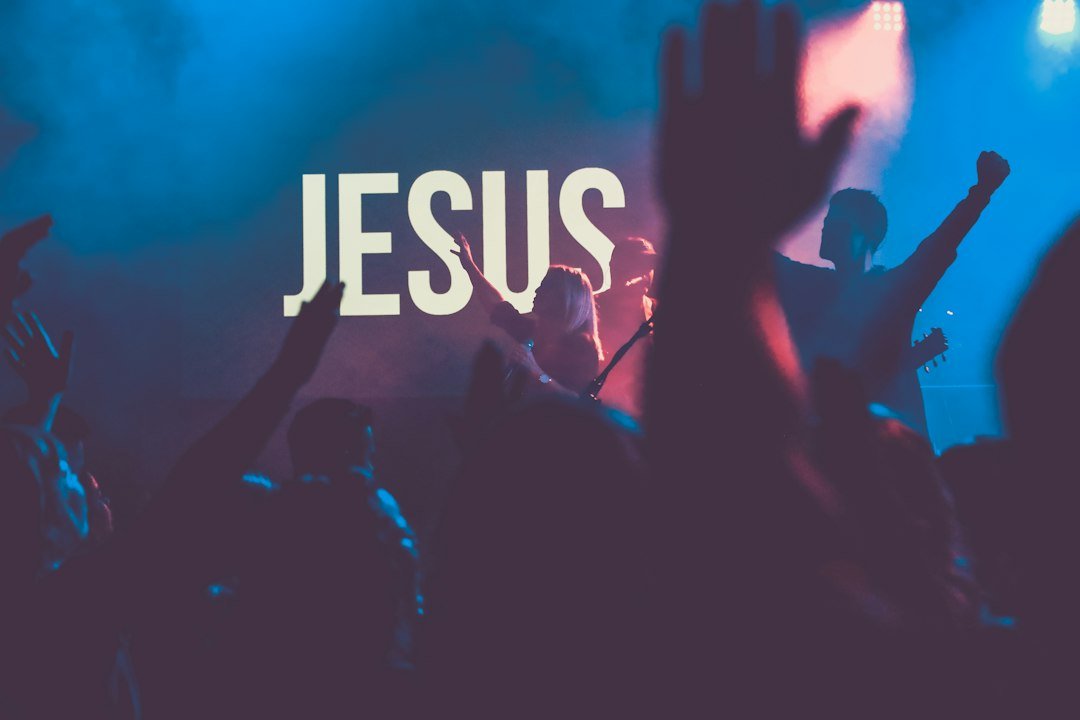
Source: Ghana News Agency: President Mahama opens 10th Triennial World Assemblies of God congress. Illustrative image credit: Edward Cisneros/Unsplash.
Explore more on TuneOn
- Pat Thomas and Ebo Taylor: Ghanaian highlife for a new generation
- Kweku Smoke’s latest music coverage
- Naa Ashorkor’s call to the Ghana Bar
Listen to stations and explore music coverage at TuneOn Radio.
About the Author