TuneOn Entertainment Desk | 28 October 2026
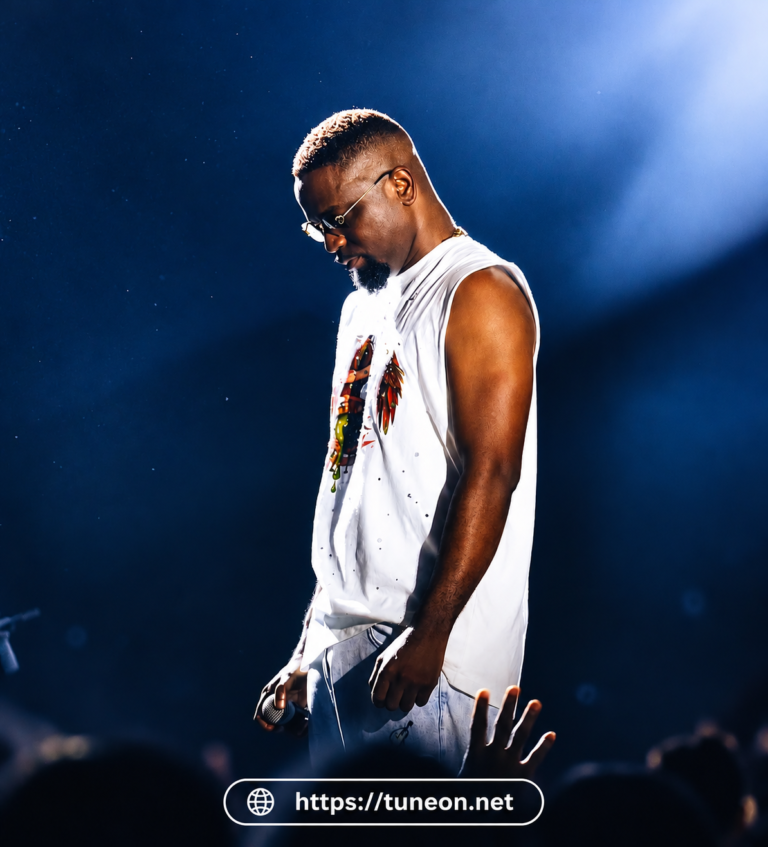
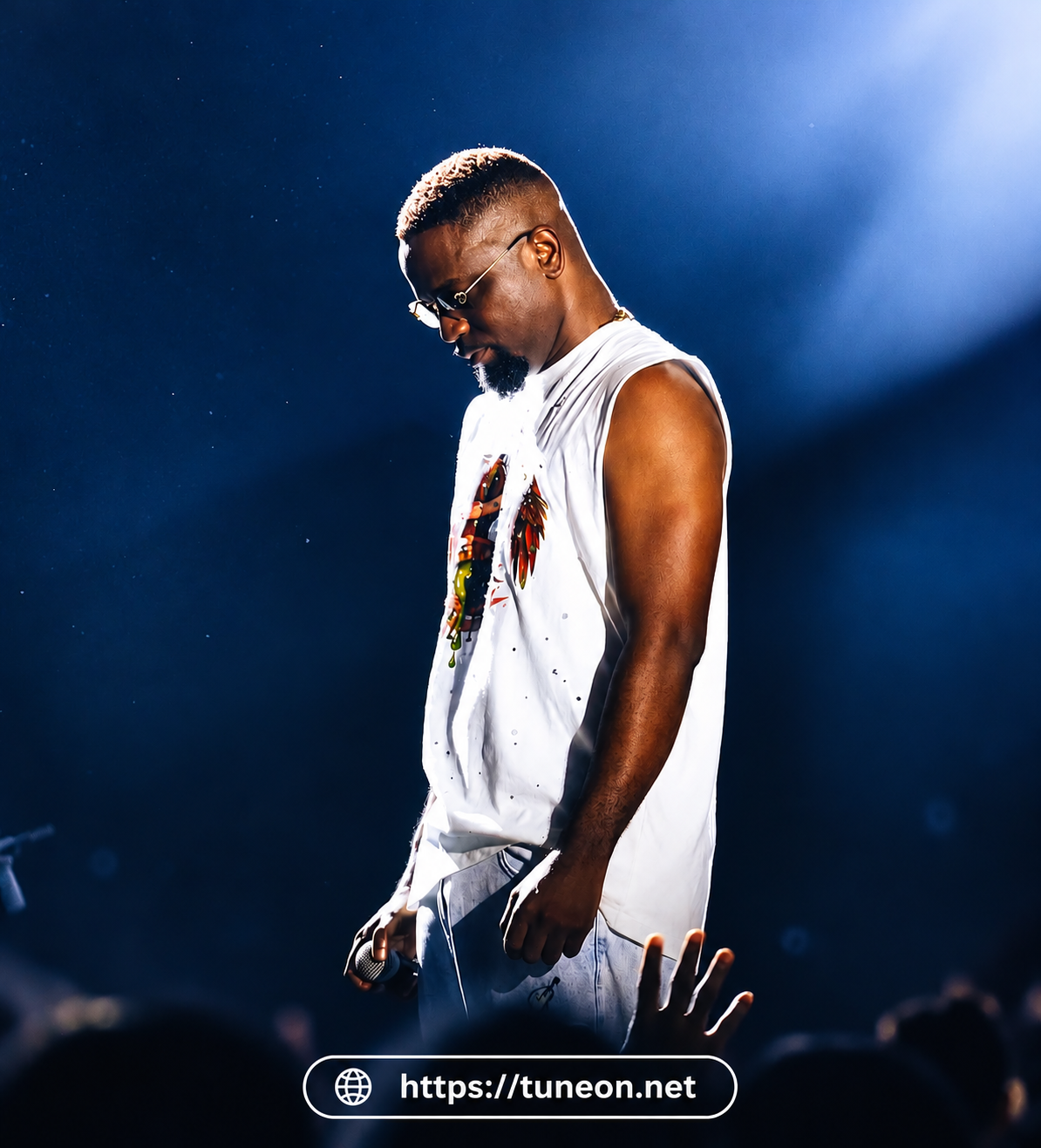
Rapperholic 2026 returned to Kumasi’s Baba Yara Sports Stadium on Saturday, 24 October, with Sarkodie leading a programme that brought together hip-hop, Afrobeats, gospel and highlife tributes. Coverage from Ghana Broadcasting Corporation, published on 26 October, highlighted the rapper’s tributes to gospel musician Bernice Offei and the late highlife legend Daddy Lumba, while guest performances reinforced the concert’s role as a meeting point for different parts of Ghana’s music scene.
The concert’s attendance has attracted attention, but the available figures need careful handling. A report by Ghanamotion on 27 October said Sarkodie himself posted that more than 55,000 people had turned up. The organisers have not published an independently verified ticket count, and that figure should therefore be described as the artist’s claim rather than an audited attendance total. GBC reported a large turnout and cited the stadium’s listed capacity of 40,528 seats. Without a published breakdown of tickets, standing areas and venue arrangements, a precise final attendance figure remains unconfirmed.
A concert built around music and memory
One of the most discussed moments was Sarkodie’s tribute to Daddy Lumba, whose highlife catalogue continues to influence musicians and listeners across generations. A tribute at a large contemporary rap concert can introduce younger fans to songs that shaped earlier eras, while reminding older listeners that Ghana’s popular music is a conversation across styles rather than a series of isolated trends.
Sarkodie also acknowledged Bernice Offei, adding a gospel reference to an event whose main identity is rooted in rap and hip-hop. The contrast mattered: the programme was not limited to one sound or audience. Ghanaian concert culture often brings together genres that are separated on radio schedules and streaming playlists, and a large live event gives performers an opportunity to show how those traditions can coexist in one night.
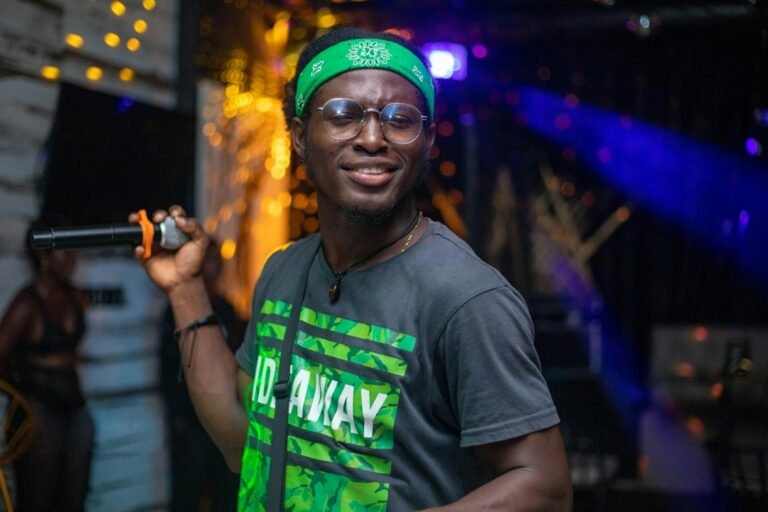
GBC reported appearances by Dope Nation, Mr Drew, Lasmid, Oseikrom Sikani, AratheJay and Sister Afia, with King Promise also joining Sarkodie on stage. The line-up connected different audience groups and gave the event a broader feel than a solo performance with a few supporting acts. Guest appearances can also introduce fans to artists they might not ordinarily seek out, creating discovery beyond the headliner’s established audience.
Why Kumasi remains central to the story
Rapperholic’s return to Baba Yara Sports Stadium for a second consecutive year extends the event beyond its long-standing association with Accra’s December entertainment calendar. Kumasi is not simply a substitute venue. It is a major cultural centre with its own music history, audience networks, businesses and creative communities. Staging a large concert there places the city at the centre of a national entertainment moment and gives local businesses a chance to serve visitors travelling from other parts of Ghana.
Concerts of this scale can create demand for transport, accommodation, food, clothing, security, event production, photography and other services. Hotels and guesthouses may receive bookings, drivers can carry passengers between transport hubs and the stadium, food sellers can serve attendees, and technicians and crew members can earn work on event day. These are plausible channels through which a large event can support a local economy, but the value should not be overstated without published data on visitor spending, jobs, vendor revenue and the organisers’ local procurement.
The benefits are also not automatic. Congestion, waste management, public safety, crowd movement and the cost of transport can affect the experience of residents who are not attending. Organisers, venue managers, city authorities and transport operators have to plan together so that a busy stadium night does not create avoidable risks for nearby communities. Future editions could make the local economic contribution easier to assess by publishing information about local vendors, temporary jobs, ticket sales and visitor activity.
Attendance claims need evidence.
The discussion around crowd size shows why entertainment reporting should distinguish between a statement from an artist, an organiser’s official figure and an independently verified count. Ghanamotion reported that Sarkodie posted on 26 October that more than 55,000 fans attended. Other online accounts circulated higher estimates, but those should not be treated as confirmed totals without a clear source and methodology.
The stadium’s listed seating capacity is not necessarily the same as the total number of people who may pass through a venue during a long event, but that distinction does not justify accepting any larger figure without evidence. A reliable count would need to explain whether it includes seated ticket holders, standing areas, staff, performers, vendors, invited guests or multiple entries. Ticket scans and a statement from the organisers would provide a firmer basis for comparison with previous editions.
Attendance matters to the music business because it can influence sponsorship discussions, future venue decisions, security planning and commercial expectations. But crowd estimates should not become a contest in which the largest number automatically becomes the headline. The event’s artistic moments, the quality of production, audience experience and the opportunities created for Ghanaian performers are important measures in their own right.
What the event says about Ghana’s live-music business
Rapperholic demonstrates the value of a recognisable concert brand. A recurring event gives fans a reason to plan ahead, helps sponsors associate their names with a known property and gives performers a platform for collaboration. It can also help the organiser build relationships with venue managers, technical crews, promoters, media partners and businesses that support the event each year.
For the wider industry, a successful stadium show is only one part of a sustainable music economy. Artists and promoters also need dependable ticketing, transparent accounting, clear agreements, reliable sound and lighting, safe crowd management, fair compensation for supporting performers and a plan for using recordings and photographs after the show. Artists benefit when promotional coverage links audiences to official releases and channels rather than leaving them with unverified clips or misleading reposts.
Live shows can also support music discovery. A fan who attends for Sarkodie may be left interested in another performer on the bill. Radio programmes, playlists and streaming services can extend that discovery after the event, especially when coverage identifies the artists accurately and points readers toward official work. TuneOn’s guide to music discovery through radio, streaming and local communities explores how those routes can help Ghanaian artists reach listeners.
What fans should look for after Rapperholic
In the days after a major concert, the most useful updates are official photographs and video highlights, confirmed artist credits, announcements about recordings or releases, and any information the organisers choose to publish about the event. Fans should check artists’ verified accounts and official channels before sharing claims about attendance, guest appearances or future dates. A concert review should also separate what the reporter witnessed from details supplied by an organiser or a social-media post.
For artists who performed, the event can create momentum if it leads to new listeners, bookings, collaborations or streams. For the audience, the strongest legacy may be a memorable performance or a tribute that connects generations. For Kumasi, the longer-term question is whether large entertainment events can become a regular part of the city’s cultural calendar while delivering safe, well-managed experiences and measurable local benefits.
Rapperholic 2026 added another chapter to Sarkodie’s concert brand, but the most durable measure of its success will be more than a single crowd estimate. It will be the quality of the performances, the way the show honoured Ghanaian music, the opportunities it created for other artists and the extent to which future editions continue to serve both fans and the host city.
Sources: Ghana Broadcasting Corporation, 26 October 2026; Ghanamotion, 27 October 2026; Graphic Online, Rapperholic 2025 file photograph.
For Ghanaian music, entertainment and radio culture, visit TuneOn Radio.
Frequently Asked Questions (FAQs)
1. What was Rapperholic 2026?
Rapperholic 2026 was a concert associated with Ghanaian rapper Sarkodie. The event brought together music fans to celebrate Ghanaian hip-hop and live entertainment.
2. Where was Rapperholic 2026 held?
The concert was reported to have taken place in Kumasi, Ghana. Readers should consult the event organiser’s official announcements for confirmed venue details.
3. Who is Sarkodie?
Sarkodie is a Ghanaian rapper known for his contributions to hip-hop and hiplife music. He is widely recognised for his influence on Ghana’s contemporary music scene.
4. Did Rapperholic 2026 pay tribute to Daddy Lumba?
Reports about the concert described a tribute to legendary Ghanaian musician Daddy Lumba. Specific performance details should be checked against reliable event coverage.
5. Was Bernice Offei also remembered at the concert?
Coverage of the event also mentioned Bernice Offei. The precise form of the tribute should be confirmed from a reliable report or official event footage.
6. Why is Rapperholic important to Ghana’s music industry?
Rapperholic provides a platform for live performances, artist collaborations and fan engagement. Events of this kind can also support local entertainment businesses, although their financial impact depends on attendance and spending data.
7. Where can readers find more Ghanaian entertainment news?
Readers can follow TuneOn Radio for music, concerts and entertainment updates at https://tuneon.net.
8. Where can fans find official Rapperholic updates?
Fans should check Sarkodie’s verified social media accounts and official event announcements for confirmed information about performances, venues and future editions.
About the Author