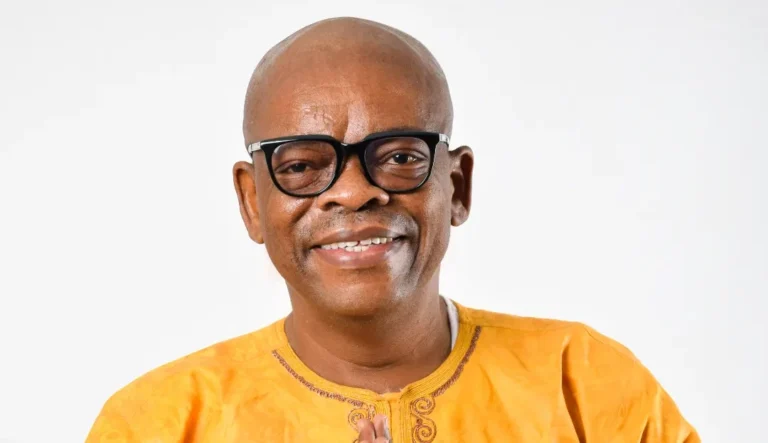

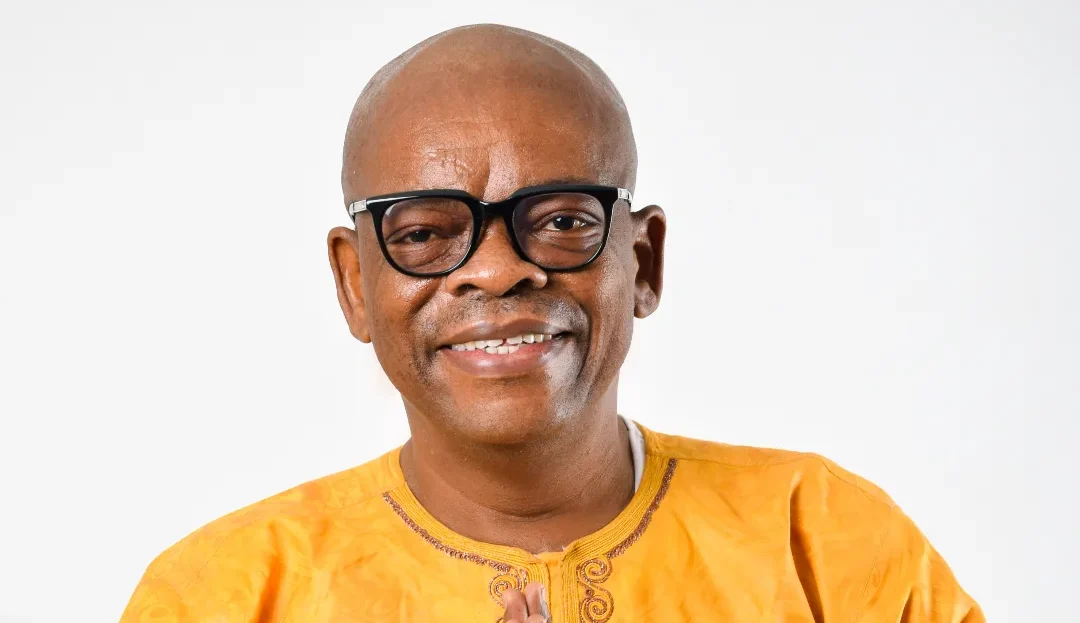
Ghanaian actor, comedian and broadcaster Seth Kwame Dzokoto, widely known as Judge Koboo from the television series Efiewura and as the host of TV3’s food and tourism programme Edziban, died at the age of 51 after collapsing during a radio discussion in Tarkwa on October 22, 2026. His death has prompted tributes from colleagues, audiences and people who knew his work across television, radio and comedy. The most enduring part of his public career was its range: he moved between scripted entertainment, food storytelling, local radio and public affairs.
The Ghana News Agency and Ghana Broadcasting Corporation reported his death and described the work that made him familiar to viewers. GNA’s October 23 tribute noted that colleagues remembered him for his performances and his distinctive catchphrases. This article looks at the career behind that recognition while keeping the circumstances of his death separate from speculation. The reports reviewed for this piece did not establish a medical cause of death.
Judge Koboo and the power of a familiar character
For many viewers, Dzokoto’s most recognisable role was Judge Koboo in Efiewura. A recurring television character can become part of a household’s shared language: viewers remember the mannerisms, the timing, the lines and the situations that make a performance funny. Judge Koboo gave audiences a figure they could recognise immediately, and the role helped make Dzokoto a familiar presence in Ghanaian homes.
Comedy depends on more than a joke. It relies on rhythm, facial expression, the relationship between performers and the audience’s understanding of everyday life. Dzokoto’s screen work drew on those elements, allowing a character to feel rooted in the social world viewers knew. The character’s popularity also demonstrates how television can create cultural reference points that survive beyond the original episode. A catchphrase may be repeated among friends or remembered years later, even by people who no longer watch the programme regularly.
GNA’s tribute described his role in Efiewura as one of the defining performances of his career. That description reflects the way a single character can anchor a public identity, but it should not obscure the other work he did. Dzokoto was not only an actor; he also developed a career in broadcasting and programme hosting, where the skills of listening, conversation and audience connection were equally important.
Edziban and the story of Ghanaian food
Dzokoto also became known as the host of TV3’s Edziban, a food and tourism programme that explored Ghanaian cuisine, local eateries and culinary experiences. The show placed food within a wider story about place, people and culture. A dish is not only an ingredient list; it can carry family memory, regional identity, work, migration and the everyday decisions that shape how people eat.
Food television can introduce audiences to businesses and communities that might otherwise receive little national attention. A local eatery, market or cook can become part of a national conversation when a presenter visits, asks questions and lets the people behind the food tell their story. Dzokoto’s work on Edziban helped make that kind of everyday cultural reporting accessible to a broad audience. It also showed how entertainment formats can serve an educational purpose without losing warmth or humour.
The programme’s appeal came from its subject matter as well as its host. Ghanaian food culture is diverse, and viewers can learn about ingredients, preparation methods and the places where meals are shared. A television feature may encourage people to visit a local business, try a dish or ask relatives about a recipe. The value of that storytelling is not measured only by ratings; it can help preserve knowledge and give visibility to the people who keep food traditions alive.
A career that extended into radio and voice work
GNA reported that Dzokoto worked in radio, including stints with Skyy Power FM in Takoradi and Hello FM in Kumasi. He also worked in comedy and advertising voice-overs. Those roles require different forms of performance. Radio depends on voice, pace and the ability to create a picture in the listener’s mind, while voice-over work often asks a performer to communicate a message clearly within a short time.
Moving between television and radio can deepen an entertainer’s connection with audiences. A viewer who recognises a face on screen may later hear the same voice on a commute or in a commercial. Local radio also has a strong community dimension: presenters discuss issues that affect people in a particular town or region, and listeners may feel that they know the person behind the microphone. Dzokoto’s work across these formats made him both a visible entertainer and a familiar voice.
His career illustrates how Ghana’s media landscape is built by people who cross boundaries between acting, presenting, comedy and public communication. The roles may be different, but they share a need for audience trust. A presenter must listen, a comedian must understand timing, and a television host must make guests feel comfortable enough to tell a story. Those skills help explain why Dzokoto remained recognisable across more than one medium.
Public life beyond entertainment
Dzokoto also entered partisan politics. GNA reported that he contested the Tarkwa-Nsuaem parliamentary seat on the National Democratic Congress ticket in the 2016 general election but was unsuccessful. His political involvement added another dimension to a public career that already included entertainment and broadcasting. It also reflected the way public figures sometimes use the recognition gained in media to participate in civic and political life.
Political activity should be reported as part of a person’s public record, not used to reduce the meaning of their artistic work. Dzokoto’s career included several roles, and audiences may remember different aspects of it. Some knew him primarily as Judge Koboo, others through Edziban, and others through radio or politics. A balanced tribute recognises that variety without suggesting that one part of his life explains everything about him.
His work also connected him with the Western Region, where he built broadcasting experience and where the radio discussion took place at the time of his death. The regional dimension matters because national entertainment is not produced only in Accra. Local stations, theatres, television crews and community audiences help shape the careers of performers and broadcasters across Ghana.
What colleagues’ tributes reveal
In its October 23 report, GNA described tributes from the NDC, actors and admirers. The party observed a minute’s silence in his honour during a press briefing, while a tribute was also paid at the Ghana Legends Awards Night. Actress Akuapem Poloo, actor Van Vicker and veteran actress Maame Dokono were among those who remembered his work. Their comments pointed to the different ways he had entered the lives of viewers.
Tributes are not a complete biography, but they can show how a person’s work is remembered by peers. The references to Efiewura, Edziban and his catchphrase underline how audiences preserve entertainment through shared memories. A line from a programme can become a shorthand for a character, and a food show can remain part of the memory of a period in television. Those cultural traces are part of an entertainer’s legacy.
As the industry mourns, it is also worth recognising the work behind a long media career: preparation, rehearsals, travel, interviews, production schedules and the collaboration of writers, directors, technicians, producers and fellow performers. A television personality is often the most visible member of a team, but the programme itself is a collective effort. Dzokoto’s success on screen and radio was part of that broader creative ecosystem.
Reporting his death with care
Dzokoto collapsed during a live radio discussion on Owass FM in Tarkwa on the morning of October 22, according to GBC Ghana. He was taken to a hospital, where he was pronounced dead on arrival. His death was confirmed by Kirk Mensah, the NDC’s Western Regional Communication Officer, as quoted by GBC. GNA and GBC reported his age as 51. The reports reviewed for this article did not announce a medical cause of death or confirmed funeral arrangements at the time of publication.
When a public figure dies suddenly, rumours can spread faster than verified information. A responsible report should distinguish the known timeline from medical speculation and should not treat social media commentary as a diagnosis. The family and relevant authorities are the appropriate sources for official details. This article therefore focuses on Dzokoto’s documented work and public contributions rather than making claims about the cause of his death.
A legacy across screens, kitchens and radio studios
Dzokoto’s legacy is found in the breadth of his work. Judge Koboo brought comedy into Ghanaian homes; Edziban connected television audiences with food, places and people; radio and voice-over work extended his presence beyond the screen; and public life added another dimension to his career. These experiences show how an entertainer can become part of everyday culture through repeated contact with audiences.
For younger creatives, his career is a reminder that skills can travel across formats. A performer who learns to listen, communicate and understand an audience can move between television, radio, stage and other forms of storytelling. That does not mean every artist must work in every medium, but it shows the value of versatility and a willingness to keep learning.
Ghana’s creative industry will continue to produce new characters and programmes, but the work of established entertainers remains part of its foundation. Remembering Dzokoto means remembering the laughter of Efiewura, the curiosity of Edziban and the familiar voice that reached listeners through radio. His passing is a loss for the audiences who grew up with his work and for the colleagues who shared the studios and sets with him.
Read more on TuneOn through the TuneOn Radio homepage, including our coverage of Ghanaian music discovery and radio and ShattaFest 2026.
Sources
- GBC Ghana: Actor and Comedian Kwame Dzokoto dies at 51
- GNA: Actor, TV personality Kwame Dzokoto is dead
- GNA: Tributes pour in for Kwame Dzokoto
About the Author