

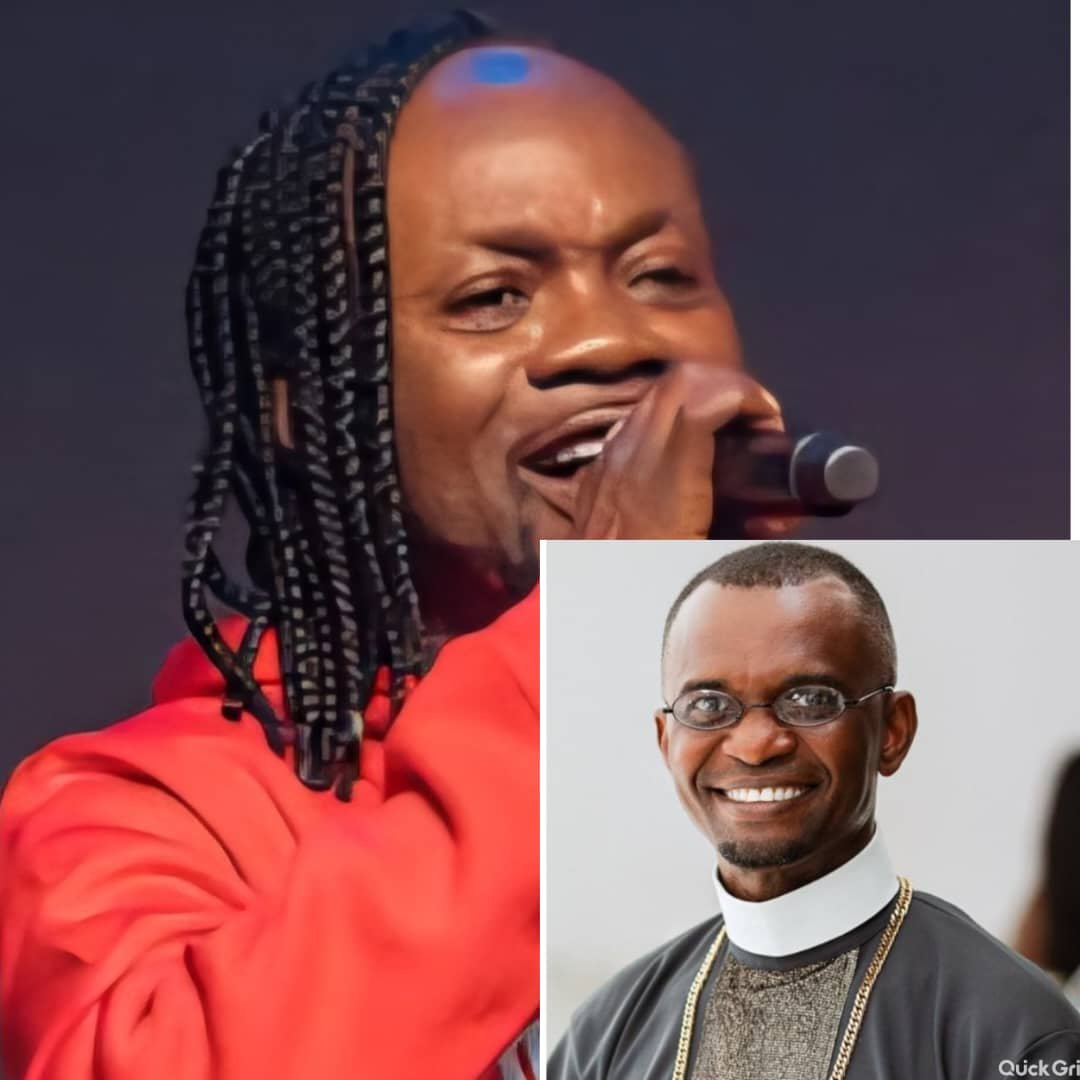
Daddy Lumba_ A Profane or Profound Artiste? A Christian Reflection on Talent, Truth, and Transcendence
Few names in Ghana’s musical and cultural fabric evoke as much adoration, nostalgia, and controversy as the late Charles Kwadwo Fosu, better known by his stage name Daddy Lumba (D.L.).
His musical journey continues to be both profoundly troubling and inspirational. He is a man of extraordinary talent, with an unmatched voice and lyrical mastery. The moral and spiritual undertones of his life and work necessitate a sober and honest Christian reflection, even though his legacy in the highlife genre is safe.
The foundation of Daddy Lumba’s music career was the church. His early compositions, despite being secular, bear the hallmarks of gospel conviction, empathy for the suffering, loyalty in relationships, and the values of hard work and compassion for the downtrodden. He was a product of a Christian upbringing and choral discipline.
At their best, his songs echoed biblical concerns for justice, love, and human dignity, reflecting a sort of social theology. At this point, his music humanised rather than objectified, encouraged rather than seduced, and edified rather than denigrated.
However, Lumba’s path took a drastic turn during his musical development. He abandoned the gospel path and threw himself wholeheartedly into what became known as Burger Highlife, a Western-influenced genre that is praised throughout the diaspora, due to the influence of his peers, most notably the secular highlife icon Nana Acheampong.
Regarding such transitions, the Bible is not silent. “Do not be unequally yoked with unbelievers… bad company corrupts good character,” the apostle Paul cautions (2 Corinthians 6:14; 1 Corinthians 15:33). In order to prevent their hearts from being tempted away from Yahweh, Israel was also cautioned repeatedly not to associate with pagan influences.
There was never a definite, public repentance or reaffirmation of Christian commitment, even though he occasionally returned to gospel themes—writing two gospel albums and appearing in a number of Christian songs.
Many questioned whether he was attempting to heal a split soul or if he was just employing religious themes as a creative twist. Unfortunately, his later career deteriorated into visual and lyrical vulgarity. Even secular moralists disapproved of some of his songs because they were so obscene that they were prohibited in Christian homes. In stark contrast to his early ideals, his music videos frequently displayed moral decay and an unsettling exaltation of sensuality.
The tragic patterns of biblical figures such as King Saul and Solomon are reflected in Daddy Lumba’s artistic arc: gifted by God, renowned for his flashes of genius, but ultimately undone by compromise and submission to the flesh. Similar to these men, Lumba’s life is a profound paradox: he is a man of praise and profanity; his voice was once uplifting but later unsettling; he is an artist who started with a message but ended with just melody.
In retrospect, his career seems mundane, erratic, and morally patronising—a warning of lost spiritual potential and a bewildered legacy.
The Bible presents complete portraits—heroes with imperfections, saints who falter, and the grace that restores—in contrast to secular popular culture, which frequently sanitises or idolises its icons. The stories of Paul’s violent past, David’s lust, Solomon’s idolatry, and Abraham’s fear are told not to excuse sin but to emphasise God’s mercy and the need for repentance.
Let Daddy Lumba’s tale serve as a powerful reminder to all Christians, particularly those with artistic talent. Talent is never neutral; it either pleases the flesh or exalts God. We must steward, not waste, and sanctify, not sell, our gifts. It is dangerous to pursue fame, wealth, or hedonism at the price of moral integrity and spiritual faithfulness. Scripture reminds us:
“Seek the Lord while He may be found; call upon Him while He is near” (Isaiah 55:6) and “A good name is better than riches” (Proverbs 22:1).
In the end, how we stood before God is more important than how well-known we are in the world. May today’s talented artists, church musicians, and creatives tread carefully, turn back the clock, and thwart the cultural shift towards moral relativism. Let’s use our gifts to uplift souls and exalt Christ, not to amuse at the expense of holiness.
Rev Emmanuel Boachie COUNTRY DIRECTOR of Awesome Bible College and Pastor of SOULS’ PASTURE CHURCH. +233240375959/reveb2017@gmail.com
Other Stories
-
WHISPERS TO THE CORRIDORS OF POWER (GHANA ARMED FORCES)
-
The Road to World Cup 2026: Breaking Down the Final Draw
-
Shatta Wale’s Troubles Escalate: FBI Interest in Lamborghini Case
-
Barcelona Provides Amid an agent change, Frenkie de Jong signed a new contract.
-
High Wages Bill in Barcelona: Who Will Earn the Most in 2025 and 2026?
About the Author