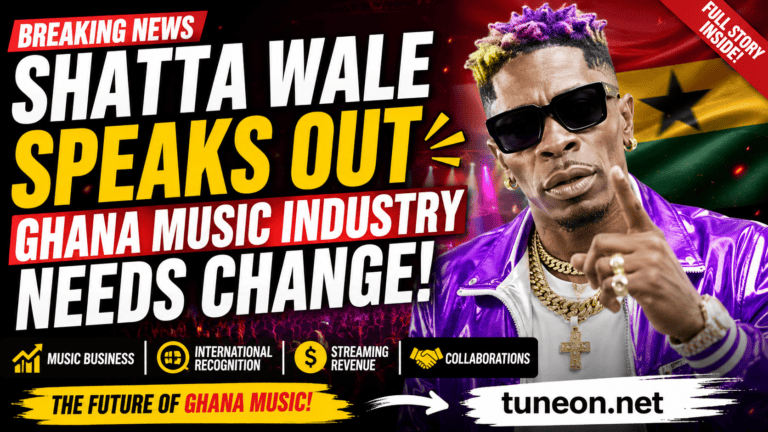


Medikal discusses underpaid artistes and his show fee at a public event.
Award-winning Ghanaian rapper Medikal has sparked fresh debate within the entertainment industry after revealing that many artistes are underpaid despite their popularity and demanding performance schedules. In a recent statement, the hitmaker disclosed that his performance fee can reach as high as GH¢1 million per show, highlighting the growing value of live performances and the business side of music in Ghana. His comments have triggered conversations about fair compensation, artist management, concert revenue, and the financial sustainability of the music industry.
The discussion comes at a time when Ghana’s entertainment sector is expanding rapidly, with concerts, festivals, and brand endorsements becoming major income sources for musicians. Medikal’s revelation has, therefore, raised important questions about artist earnings, show bookings, and how promoters and event organisers determine performance fees in the competitive music market.
🎤 Medikal Speaks on Artist Payment in Ghana
The conversation around medical artist payment in Ghana has intensified after popular Ghanaian rapper Medikal publicly addressed the issue of low earnings for musicians within the local entertainment industry. Known for his chart-topping songs and energetic stage performances, Medikal’s comments have drawn significant attention from fans, promoters, and fellow artistes who share similar concerns about compensation and financial sustainability in the music business.
According to Medikal, many artistes in Ghana invest heavily in their craft, including studio recording, music videos, marketing, and stage production, yet the financial returns from performances and events often do not reflect these costs. He explained that the entertainment industry requires significant financial commitment, and without fair payment structures, it becomes difficult for artistes to grow and maintain their careers. This perspective has resonated with many musicians who believe that their work is undervalued despite their popularity and influence.
The Medikal Artist Payment in Ghana discussion also highlights the broader challenges facing the music industry, including inconsistent event budgets, limited sponsorship opportunities, and the rising costs of production. While top-tier artistes may command high performance fees, emerging musicians often struggle to secure fair compensation, making it harder for them to sustain their careers. This situation has sparked calls for better industry standards, transparent contracts, and stronger support systems for creative professionals.
In addition, Medikal’s statement has encouraged stakeholders to rethink how artistes are valued within the entertainment ecosystem. Promoters, event organisers, and record labels are being urged to adopt fair payment models that reflect the true value of talent and performance. The issue is not only about money but also about respect, recognition, and the long-term growth of Ghana’s creative industry.
Overall, the Medikal Artist Payment in Ghana debate represents a critical moment for the country’s music sector. It brings attention to the need for improved financial structures, stronger collaboration among industry players, and sustainable business practices that will empower artistes to thrive in an increasingly competitive entertainment landscape.
💰 The GH¢1 Million Show Rate Revelation
The revelation of the Medikal GH¢1 Million Show Rate has generated widespread discussion across Ghana’s entertainment industry, highlighting the financial realities behind high-profile music performances. Renowned rapper Medikal disclosed that his performance fee can reach as high as GH¢1 million per show, a figure that reflects both his popularity and the growing commercial value of live music events in the country.
This disclosure has surprised many fans and industry observers, as it sheds light on the business side of entertainment that is often hidden from the public. For established artistes like Medikal, performance fees are determined by several factors, including brand value, audience demand, event scale, and production requirements. Major concerts, corporate events, and festival appearances typically involve significant planning, logistics, and marketing expenses, which contribute to higher show rates.
The Medikal GH¢1 Million Show Rate also underscores the increasing monetisation of live performances as one of the primary income sources for musicians. With streaming revenue and music sales sometimes fluctuating, many artistes rely heavily on concerts and event bookings to sustain their careers. As a result, performance fees have become a key indicator of an artiste’s market strength and industry relevance.
Furthermore, this revelation has sparked debate about affordability for event organisers and promoters. While top-tier artistes command premium rates, smaller event planners may struggle to meet such financial demands. This dynamic creates a competitive environment where organisers must carefully balance ticket pricing, sponsorship deals, and audience expectations to ensure profitability.
In conclusion, the Medikal GH¢1 Million Show Rate revelation highlights the evolving economics of Ghana’s music industry. It demonstrates how talent, branding, and demand can significantly influence earnings, while also encouraging conversations about fair compensation, industry standards, and the sustainability of large-scale entertainment events.
📊 Why Many Artistes Feel Underpaid
The issue of Why Artistes Feel Underpaid in Ghana has become a major talking point following comments from award-winning rapper Medikal about the financial challenges musicians face despite their popularity. Many artistes believe that the compensation they receive from performances, endorsements, and music sales often does not match the time, effort, and investment required to succeed in the competitive entertainment industry.
One of the main reasons artistes feel underpaid is the high cost of music production and promotion. Creating a professional song involves studio recording, sound engineering, video production, marketing, and distribution, all of which require significant financial resources. In addition, artistes often spend money on branding, wardrobe, transportation, and stage performance equipment to maintain a strong public image. These expenses can quickly reduce the profit they make from shows and appearances.
Another factor contributing to the ‘Why Artistes Feel Underpaid in Ghana’ discussion is the lack of standardised payment structures within the industry. Unlike other professions with clear salary systems, the entertainment sector relies heavily on negotiation between artistes and event organisers. This sometimes results in inconsistent payments, delayed compensation, or contracts that do not fully reflect the value of the performer.
Furthermore, emerging artistes face even greater financial challenges. While established musicians like Medikal can command higher fees due to their reputation and fan base, upcoming talents often accept lower payments simply to gain exposure. This situation creates a gap between top-tier performers and new entrants in the industry.
Overall, the conversation about why artistes feel underpaid in Ghana highlights the need for stronger industry regulations, fair contracts, and better financial management practices. Addressing these issues will help ensure that musicians are rewarded appropriately for their creativity and contribution to Ghana’s growing entertainment sector.
🎶 The Business Side of the Music Industry
The business side of the music industry in Ghana has become increasingly important as artistes and stakeholders recognise that success in music goes beyond talent alone. Popular Ghanaian rapper Medikal has emphasised that musicians must treat their craft as a serious business venture, focusing on branding, marketing, and financial planning to remain competitive in the industry.
In today’s digital era, the music industry operates like a full-scale enterprise. Artistes are not only performers but also entrepreneurs who manage teams, negotiate contracts, and invest in production and promotion. From recording studios and music video shoots to social media campaigns and live performances, every aspect of an artiste’s career requires careful budgeting and strategic planning. This is why understanding the business side of music is essential for long-term success.
The business side of the music industry in Ghana also involves revenue generation from multiple streams. Musicians earn income through concerts, streaming platforms, endorsements, merchandise sales, and brand partnerships. Live performances, in particular, have become one of the most profitable areas, with high-profile artistes commanding substantial fees due to their popularity and fan base.
Another critical component is artist management and representation. Managers, record labels, and promoters play key roles in negotiating deals, securing performance opportunities, and protecting the financial interests of artistes. Without proper management, musicians may struggle to maximise their earnings or maintain a sustainable career.
Furthermore, branding has become a powerful tool in the modern music industry. A strong brand identity helps artistes attract sponsors, collaborate with major companies, and build loyal fan communities. This shift has transformed music from a purely creative activity into a structured business ecosystem where strategy and professionalism are just as important as musical talent.
In conclusion, the business side of the music industry in Ghana highlights the need for artistes to adopt a business mindset. By combining creativity with sound financial management and strategic marketing, musicians can grow their careers, increase their earnings, and contribute to the continued expansion of Ghana’s entertainment sector.
🏟️ Role of Event Promoters and Organizers
The Role of Event Promoters in Ghana Music Industry is crucial to the success of concerts, festivals, and live entertainment shows. Event promoters and organizers are responsible for planning, funding, marketing, and managing events that bring artistes and audiences together. Their work directly influences how much musicians are paid, how events are structured, and how profitable shows become. Comments from popular rapper Medikal about artist payments have further highlighted the importance of promoters in shaping the financial landscape of the music business.
Promoters play a central role in negotiating performance fees with artistes and their management teams. They assess factors such as the artiste’s popularity, fan base, venue size, ticket pricing, and sponsorship support before agreeing on a payment structure. For high-profile performers like Medikal, whose demand is strong, promoters must secure adequate funding and partnerships to meet performance costs while still making a profit.
In addition to financial responsibilities, promoters handle logistics such as venue booking, sound and lighting setup, security, advertising, and ticket sales. These tasks require careful coordination and significant investment. Without effective planning, even popular events can fail to generate revenue, which can affect both the promoter and the artiste involved.
The Role of Event Promoters in Ghana Music Industry also extends to marketing and audience engagement. Promoters use radio, television, social media, and digital advertising to attract large crowds and ensure successful turnout. Strong promotion increases ticket sales and sponsorship opportunities, ultimately benefiting everyone involved in the event.
Furthermore, collaboration between promoters and artistes is essential for maintaining a healthy entertainment industry. Transparent contracts, fair negotiations, and mutual trust help build long-term partnerships that support the growth of live music events in Ghana.
In conclusion, the Role of Event Promoters in Ghana Music Industry remains a key factor in determining artist earnings and event success. Their ability to balance financial planning, marketing strategies, and operational management ensures that concerts run smoothly and the music industry continues to thrive.
📈 Growth of Concert Revenue in Ghana
The Growth of Concert Revenue in Ghana has become one of the most significant developments in the country’s entertainment industry over the past decade. Live performances and large-scale concerts are now major sources of income for musicians, event organizers, and stakeholders. Statements from top artistes like Medikal about high performance fees have further drawn attention to the increasing financial value of concerts in Ghana.
In recent years, Ghana has witnessed a surge in music festivals, corporate shows, and international concerts featuring both local and global artistes. Events such as holiday concerts, album launches, and entertainment festivals attract thousands of fans, generating substantial revenue through ticket sales, sponsorship deals, and brand partnerships. This steady rise in audience attendance has strengthened the commercial viability of live entertainment.
The Growth of Concert Revenue in Ghana is also driven by improvements in event production and promotion. Modern sound systems, professional stage design, digital marketing campaigns, and online ticketing platforms have made concerts more appealing and accessible to audiences. These advancements have allowed organizers to host bigger events and attract more sponsors, leading to higher earnings for performers and promoters.
Another factor contributing to revenue growth is the expanding youth population and the popularity of music culture in Ghana. Young people actively support live shows and social events, creating a strong demand for entertainment experiences. As a result, artistes are able to negotiate better performance fees and secure more bookings throughout the year.
Furthermore, international collaborations and diaspora events have opened new opportunities for Ghanaian musicians to perform on global stages. These performances often come with higher payouts and increased exposure, boosting the overall revenue potential of the industry.
In conclusion, the Growth of Concert Revenue in Ghana reflects the transformation of live music into a thriving business sector. With continued investment, innovation, and audience support, concert revenue is expected to remain a key driver of economic growth within Ghana’s entertainment industry.
🤝 Brand Endorsements and Additional Income Streams
The role of Brand Endorsements for Ghanaian Artistes has become increasingly important as musicians diversify their income sources beyond live performances. In today’s entertainment industry, artistes are not solely dependent on concert revenue; they also earn substantial income through partnerships with brands, advertising campaigns, and digital platforms. Popular musicians like Medikal have demonstrated how strong personal branding can attract lucrative endorsement deals and business opportunities.
Brand endorsements allow artistes to collaborate with companies in sectors such as telecommunications, beverages, fashion, and technology. These partnerships often involve promotional appearances, social media campaigns, and product advertisements. For brands, working with well-known musicians helps increase visibility and consumer trust, while artistes benefit financially and strengthen their public image.
The Brand Endorsements for Ghanaian Artistes trend has also expanded with the rise of social media and digital marketing. Platforms like Instagram, YouTube, TikTok, and Facebook enable musicians to reach millions of followers instantly, making them valuable influencers for companies seeking to promote their products. Sponsored posts, brand ambassadorships, and influencer marketing campaigns have therefore become reliable revenue streams for many performers.
In addition to endorsements, artistes generate income from streaming services, merchandise sales, and licensing agreements. Digital streaming platforms allow musicians to earn royalties whenever their songs are played, while merchandise such as branded clothing and accessories provides another source of revenue. These multiple income streams help artistes maintain financial stability even when live events are limited.
Furthermore, successful endorsement deals can significantly enhance an artiste’s reputation and market value. Being associated with reputable brands positions musicians as influential figures in the entertainment industry and increases their chances of securing more business partnerships.
In conclusion, Brand Endorsements for Ghanaian Artistes play a vital role in the modern music business. By leveraging their popularity and audience reach, musicians can build sustainable careers, expand their financial opportunities, and contribute to the continued growth of Ghana’s entertainment industry.
🌍 Comparing Ghanaian Artistes to International Standards
The discussion about Ghanaian Artistes vs International Standards has gained momentum following comments from award-winning rapper Medikal regarding artist payment and performance fees. Many industry observers believe that while Ghanaian musicians are talented and widely recognized across Africa, their earnings and working conditions often differ significantly from those of international artistes.
International musicians typically operate within highly structured entertainment industries that offer better financial support, sponsorship opportunities, and global distribution networks. These systems allow artistes to command higher performance fees, secure major endorsement deals, and benefit from advanced production resources. In contrast, Ghanaian artistes often face challenges such as limited funding, smaller event budgets, and fewer large-scale venues, which can affect their income potential.
The Ghanaian Artistes vs International Standards comparison also highlights differences in market size and audience reach. Global artistes perform in markets with millions of fans and strong purchasing power, enabling promoters to charge higher ticket prices and generate larger revenues. Ghanaian musicians, while popular locally and regionally, may operate in smaller markets where financial returns are more limited.
However, the gap between local and international standards is gradually narrowing. Ghana’s music industry has experienced significant growth in recent years, driven by digital streaming platforms, social media promotion, and international collaborations. These developments have created new opportunities for Ghanaian artistes to expand their reach beyond national borders and increase their earning potential.
Furthermore, industry stakeholders are working to improve professional standards, including better contract negotiations, improved event production quality, and stronger branding strategies. Such improvements are essential for positioning Ghanaian musicians competitively on the global stage.
In conclusion, the Ghanaian Artistes vs International Standards debate reflects both the progress and challenges facing Ghana’s entertainment industry. As infrastructure, investment, and global exposure continue to improve, Ghanaian artistes are increasingly positioned to achieve success comparable to their international counterparts.
📢 Public Reaction to Medikal’s Statement
The Public Reaction to Medikal Statement has been widespread across social media platforms and entertainment circles following comments made by Medikal regarding the issue of artist payment in Ghana. His revelation that artistes are often underpaid, despite the high costs associated with producing music and performing at events, quickly sparked debate among fans, industry stakeholders, and fellow musicians.
Many supporters of Medikal have agreed with his position, arguing that artistes invest heavily in their careers and deserve fair compensation for their work. They point out that musicians often spend significant amounts on studio sessions, music video production, stage performances, and promotional campaigns. As a result, they believe higher performance fees are justified, especially for top-tier artistes who draw large crowds and contribute to the success of events.
However, some critics have expressed concern about the sustainability of very high performance fees, particularly for smaller event organizers and promoters. They argue that if artiste charges become too expensive, ticket prices may increase, making events less accessible to fans. This perspective highlights the delicate balance between ensuring fair pay for artistes and maintaining affordable entertainment for the public.
The Public Reaction to Medikal Statement has also extended to discussions among industry professionals, including managers, promoters, and record labels. Many stakeholders are calling for clearer payment structures, transparent contracts, and improved financial planning within the music sector. These changes could help create a more stable and professional environment for artistes and event organizers alike.
In addition, the conversation has encouraged younger musicians to better understand the business side of the entertainment industry. By learning about negotiation, branding, and financial management, emerging artistes can position themselves for long-term success.
Overall, the Public Reaction to Medikal Statement demonstrates the strong interest of the public in the financial realities of the music industry. It has opened an important dialogue about fairness, sustainability, and the future growth of Ghana’s entertainment sector.
🚀 What This Means for the Future of Ghana’s Music Industry
The Future of Ghana’s Music Industry has been thrust into the spotlight following recent statements by entity[“musical_artist”,”Medikal”,”Ghanaian rapper”] on artist payments and performance rates. As the conversation around fair compensation grows, the industry is poised for change—one that could redefine how artistes, promoters, and stakeholders operate.
Increased transparency and standardized contracts will likely play a key role in shaping the future. Artistes are calling for fairer deals, ensuring that their earnings reflect the value they bring to events. This could lead to more professional industry standards and greater trust between musicians and event organizers.
The Future of Ghana’s Music Industry also depends on innovation. As digital platforms grow, streaming services, virtual concerts, and global collaborations will open new revenue streams. Artistes who leverage technology will be able to reach wider audiences, both locally and internationally, boosting their market value.
Another key factor will be industry collaboration. As Medikal’s statements have sparked discussions, artistes, promoters, and policymakers may work together to create sustainable models for growth. This could involve building larger event venues, fostering local talent, and attracting international investments.
In conclusion, the Future of Ghana’s Music Industry looks promising. With greater transparency, technological advancement, and industry collaboration, Ghanaian artistes are well-positioned to thrive and elevate the nation’s music industry to new heights.
About the Author