
Common causes of hair loss and how to prevent thinning hair naturally
Millions of people around the world are worried about hair loss, which can hurt their confidence, looks, and overall health. To find out what’s really wrong and pick the best treatment, you need to know the 7 things that could be making your hair fall out.
There are many things that can cause hair to thin or fall out, such as hormonal imbalances, stress, lack of nutrients, and medical conditions. Finding problems early and taking care of them properly can help avoid permanent damage and encourage healthy hair growth.
In today’s health-conscious world, hair loss treatment, hair regrowth solutions, scalp health, dermatology care, and hair restoration are all very popular topics because they are all related to personal health and wellness. People can protect their hair and keep their scalp healthy in the long term by learning about the most common reasons why hair falls out.
🧬 Hormonal Imbalance and Hair Loss
Hormonal imbalance is one of the most common causes of hair thinning and excessive shedding in both men and women. Understanding the connection between hormonal imbalance and hair loss is essential for identifying the underlying problem and finding effective treatment options. Hormones play a critical role in regulating the hair growth cycle, and even small changes in hormone levels can disrupt normal hair production.
One of the major hormonal conditions linked to hair loss is thyroid disease, which can cause hair to become dry, brittle, and prone to falling out. Both an underactive thyroid (hypothyroidism) and an overactive thyroid (hyperthyroidism) can lead to noticeable hair thinning. In women, hormonal fluctuations during pregnancy, childbirth, menopause, and menstrual cycles can also trigger temporary or long-term hair loss.
Another significant factor in hormonal imbalance and hair loss is the role of androgens, commonly known as ‘male hormones’. When the body produces too much of these hormones, hair follicles can shrink, leading to a condition called ‘androgenetic alopecia’, which is the most common form of hair loss worldwide. This condition often results in gradual thinning of hair on the scalp and can affect both genders.
Hormonal imbalance can also be associated with medical conditions such as Polycystic Ovary Syndrome, which can cause hair loss, irregular menstrual cycles, acne, and weight gain. In men, low testosterone levels may contribute to hair thinning and reduced hair growth over time.
Lifestyle factors such as stress, poor diet, lack of sleep, and certain medications can worsen hormonal imbalance and accelerate hair loss. Maintaining a balanced diet rich in protein, vitamins, and minerals, along with regular exercise and proper sleep, can help support hormone regulation and improve hair health.
In conclusion, hormonal imbalance and hair loss is a serious but manageable condition. Early diagnosis and proper medical care can help restore hormonal balance, promote healthy hair growth, and prevent long-term damage. Anyone experiencing persistent hair loss should consider seeking professional medical advice to determine the exact cause and receive appropriate treatment.
😰 Stress and Emotional Trauma
The connection between stress, emotional trauma and hair loss has become increasingly recognised by health professionals as a major factor affecting hair health. When the body experiences high levels of stress—whether from work pressure, financial challenges, illness, or emotional shock—it can disrupt the natural hair growth cycle and lead to noticeable hair shedding. This condition can affect people of all ages and is often temporary if the underlying stress is properly managed.
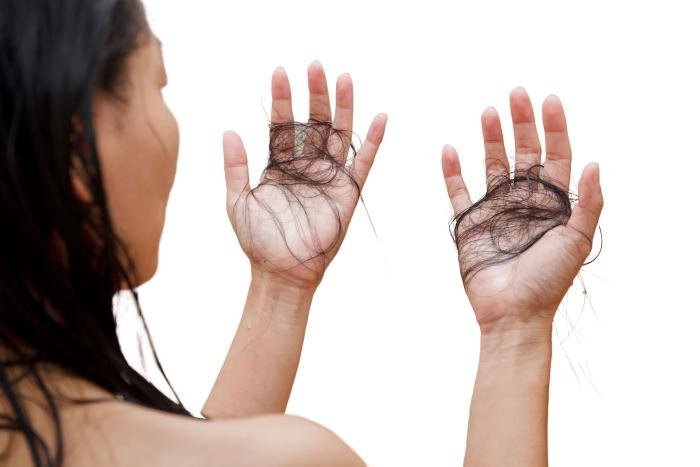
One of the most common stress-related hair loss conditions is telogen effluvium. This occurs when a large number of hair follicles enter the resting phase of the hair cycle at the same time, causing sudden and excessive hair fall. Individuals may notice more hair on their pillow, in the shower, or while brushing their hair. The condition typically develops a few months after a stressful event, such as surgery, childbirth, severe illness, or emotional trauma.
The impact of stress on hair health is closely linked to the body’s hormonal response. During periods of stress, the body releases stress hormones like cortisol, which can weaken hair follicles and slow down hair growth. Prolonged stress can therefore lead to thinning hair, reduced hair density, and slower regrowth. In some cases, chronic stress may also trigger autoimmune conditions such as alopecia areata, where the immune system mistakenly attacks hair follicles.
Mental health plays an important role in managing stress and emotional trauma hair loss. Practising stress-reduction techniques such as regular exercise, meditation, deep breathing, and adequate sleep can help restore balance in the body and support healthy hair growth. Maintaining a healthy lifestyle and seeking emotional support during difficult times can significantly reduce the risk of long-term hair loss.
In conclusion, stress and emotional trauma hair loss is a common but often reversible condition. Recognising the signs early and addressing the root cause of stress can help individuals protect their hair health and improve overall well-being.
🍽️ Poor Nutrition and Vitamin Deficiency
The relationship between poor nutrition and vitamin deficiency hair loss is well established, as hair follicles require a steady supply of nutrients to grow strong and healthy. When the body lacks essential vitamins and minerals, hair can become weak, brittle, and more prone to shedding. In many cases, nutritional deficiencies are a hidden cause of hair thinning, especially among individuals with unbalanced diets or certain medical conditions.
Hair growth depends heavily on nutrients such as iron, protein, zinc, and vitamins like biotin, vitamin D, and vitamin B12. A deficiency in any of these nutrients can disrupt the hair growth cycle and slow down the production of new hair strands. For example, iron deficiency can lead to iron deficiency anaemia, which is a common cause of hair loss, particularly among women. This condition reduces oxygen supply to hair follicles, weakening them and causing increased hair fall.
Another major factor in poor nutrition and vitamin deficiency hair loss is inadequate protein intake. Hair is primarily made of a protein called keratin, and without enough dietary protein, the body may conserve resources by slowing hair growth. Crash dieting, skipping meals, or following extremely restrictive diets can therefore lead to noticeable hair thinning over time.
In addition, vitamin deficiencies such as low levels of vitamin D can affect the development of hair follicles. Studies have shown that individuals with vitamin D deficiency are more likely to experience hair loss and slow hair regrowth. Similarly, zinc deficiency can weaken the immune system and damage hair tissue, making hair more fragile.
To prevent poor nutrition and vitamin deficiency hair loss, maintaining a balanced diet is essential. Foods rich in protein, leafy vegetables, fruits, nuts, and whole grains can support healthy hair growth. Staying hydrated and taking doctor-recommended supplements when necessary can also help restore nutrient levels.
In conclusion, poor nutrition and vitamin deficiency hair loss are preventable conditions in many cases. By improving dietary habits and ensuring adequate nutrient intake, individuals can strengthen their hair, reduce shedding, and promote long-term scalp health.
🧴 Excessive Hair Styling and Chemical Treatments
The link between excessive hair styling and chemical treatments and hair loss is a growing concern, especially among individuals who frequently use heat tools, relaxers, dyes, and tight hairstyles. While styling can enhance appearance and confidence, repeated exposure to harsh chemicals and excessive heat can weaken hair strands and damage hair follicles over time. This damage can lead to breakage, thinning hair, and in severe cases, permanent hair loss.
One of the most common problems associated with excessive styling is a condition known as ‘traction alopecia’. This occurs when hair is pulled tightly for extended periods through styles such as braids, ponytails, weaves, or extensions. The constant tension on the scalp weakens hair roots and eventually causes hair to fall out. If not addressed early, the hair follicles may become permanently damaged.
Chemical treatments such as hair relaxers, bleaching, perming, and colouring can also contribute to excessive hair styling and chemical treatment hair loss. These processes alter the natural structure of the hair, making it more fragile and prone to breakage. Frequent chemical use can strip the hair of its natural oils, leaving it dry, brittle, and more likely to shed.
Heat styling tools like flat irons, curling irons, and blow dryers can further worsen the situation. High temperatures can damage the hair shaft and scalp, especially when used daily without proper heat protection. Over time, this repeated stress can slow hair growth and weaken the overall health of the hair.
To prevent excessive hair styling and chemical treatments from causing hair loss, it is important to adopt healthy hair care practices. Limiting the use of heat tools, spacing out chemical treatments, and choosing gentle hairstyles can help protect the hair. Regular conditioning, scalp care, and professional advice from a hairstylist or dermatologist can also support stronger and healthier hair.
In conclusion, excessive hair styling and chemical treatments for hair loss are largely preventable with proper hair care habits. By reducing harmful styling practices and maintaining a balanced hair routine, individuals can preserve their hair strength and promote long-term hair health.
🦠 Medical Conditions and Diseases
The connection between Medical Conditions and Diseases Causing Hair Loss is well documented in the health and dermatology field. Many underlying illnesses can interfere with the normal hair growth cycle, leading to sudden or gradual hair thinning. In some cases, hair loss may be one of the first visible signs of a medical problem, making early diagnosis and treatment extremely important for long-term hair health.
One of the most recognized conditions associated with hair loss is Alopecia Areata, an autoimmune disorder in which the body’s immune system mistakenly attacks hair follicles. This condition can cause round patches of hair loss on the scalp or other parts of the body. Although it can affect people of all ages, it is often unpredictable and may require medical treatment to manage symptoms.
Another significant contributor to Medical Conditions and Diseases Causing Hair Loss is chronic illness such as Diabetes. Poor blood circulation and hormonal changes linked to diabetes can weaken hair follicles and slow down hair growth. Similarly, scalp infections caused by fungi or bacteria can damage the scalp and lead to hair loss if not treated promptly.
Thyroid disorders also play a major role in hair health. Both an overactive and underactive thyroid can disrupt hormone balance and affect hair growth patterns. Individuals with thyroid problems may notice thinning hair, dry scalp, and increased shedding. In addition, conditions such as lupus and anemia can reduce oxygen supply to hair follicles, resulting in fragile and thinning hair.
Managing Medical Conditions and Diseases Causing Hair Loss requires proper medical attention and regular health checkups. Treatment options may include medication, dietary changes, and specialized hair care routines recommended by healthcare professionals.
In conclusion, Medical Conditions and Diseases Causing Hair Loss should never be ignored. Identifying the underlying illness early and following appropriate treatment can help restore healthy hair growth and improve overall well-being.
💊 Medication Side Effects
The relationship between Medication Side Effects Hair Loss is an important factor that many people overlook when experiencing sudden or unusual hair shedding. Certain prescription drugs and medical treatments can interfere with the natural hair growth cycle, causing hair to thin or fall out. While this type of hair loss is often temporary, it can be distressing and may require medical guidance to manage effectively.
One of the most widely known causes of Medication Side Effects Hair Loss is treatment with chemotherapy drugs used for cancer therapy. These medications target rapidly dividing cells, including cancer cells, but they can also affect healthy hair follicles. This results in hair loss during treatment, a condition commonly associated with Cancer. Fortunately, hair typically begins to grow back once treatment is completed.
In addition to chemotherapy, several common medications can contribute to hair thinning. Drugs used to treat high blood pressure, depression, arthritis, heart disease, and hormonal conditions may cause hair loss as a side effect. For example, some antidepressants and blood thinners can disrupt the hair growth cycle, pushing hair follicles into a resting phase where shedding becomes more noticeable.
Another factor in Medication Side Effects Hair Loss is the body’s reaction to long-term medication use. Some drugs may alter hormone levels, reduce nutrient absorption, or affect blood circulation to the scalp. These changes can weaken hair roots and slow down hair growth over time.
It is important for individuals experiencing hair loss after starting a new medication to consult a healthcare professional before making any changes. Doctors may adjust the dosage, switch to an alternative medication, or recommend supplements to support hair health. Self-medicating or stopping prescribed drugs without medical advice can be dangerous.
In conclusion, Medication Side Effects Hair Loss is a manageable condition in many cases. With proper medical supervision and awareness of potential side effects, individuals can protect their hair health while continuing necessary medical treatment.
🧓 Aging and Genetic Factors
The connection between Aging and Genetic Hair Loss is one of the most common and natural reasons people experience thinning hair over time. As individuals grow older, the body undergoes biological changes that can affect hair growth, strength, and density. Hair follicles gradually shrink, and the rate of new hair production slows down, leading to thinner strands and reduced hair volume. While this process is normal, genetics often determines how early and how severely hair loss occurs.
One of the most well-known conditions linked to Aging and Genetic Hair Loss is Androgenetic Alopecia, commonly referred to as male or female pattern baldness. This hereditary condition is influenced by genes passed down from parents and can begin as early as the late teens or early adulthood. In men, it typically appears as a receding hairline or thinning at the crown, while women may notice gradual thinning across the scalp.
Genetics play a significant role in determining hair thickness, growth rate, and overall hair health. If close family members have experienced hair loss, there is a higher chance that the condition may occur in future generations. However, the timing and severity can vary widely from person to person depending on lifestyle, health, and environmental factors.
In addition to genetics, aging also affects hormone production, blood circulation, and nutrient absorption, all of which are essential for healthy hair growth. Reduced collagen production and slower cell regeneration can weaken hair follicles, making hair more fragile and prone to breakage.
Managing Aging and Genetic Hair Loss often involves a combination of healthy lifestyle habits and medical treatments. Maintaining a balanced diet, reducing stress, and using gentle hair care products can help slow the progression of hair thinning. In some cases, dermatologists may recommend treatments such as topical solutions, supplements, or specialized therapies to support hair regrowth.
In conclusion, Aging and Genetic Hair Loss is a natural process influenced by heredity and biological changes. While it cannot always be prevented, early awareness and proper care can help maintain healthier hair and improve confidence over time.
🧼 Poor Scalp Health and Hygiene
The relationship between Poor Scalp Health and Hygiene Hair Loss is a critical factor that many people overlook when dealing with thinning hair or excessive shedding. The scalp serves as the foundation for healthy hair growth, and when it is not properly maintained, hair follicles can become weak, clogged, or damaged. Poor scalp hygiene can create an unhealthy environment that prevents hair from growing normally and may lead to long-term hair loss if not addressed early.
One of the most common scalp conditions associated with hair loss is Dandruff. Dandruff can cause itching, inflammation, and irritation of the scalp, which may weaken hair roots and increase hair shedding. In more severe cases, untreated scalp infections caused by fungi or bacteria can damage hair follicles and slow down the natural hair growth process.
Another contributor to Poor Scalp Health and Hygiene Hair Loss is the buildup of excess oil, sweat, dirt, and styling products on the scalp. When pores become blocked, oxygen and nutrients cannot reach the hair follicles effectively. This can result in weaker hair strands, slower growth, and increased breakage. Individuals who rarely wash their hair or use harsh hair products may be at higher risk of scalp-related hair problems.
Maintaining proper scalp hygiene involves regular washing with suitable shampoos, gentle massaging of the scalp to improve blood circulation, and avoiding the overuse of heavy hair products. Keeping the scalp clean and moisturized helps create an ideal environment for hair to grow strong and healthy.
In conclusion, Poor Scalp Health and Hygiene Hair Loss is often preventable through simple daily habits. By paying attention to scalp care and addressing any signs of irritation or infection early, individuals can protect their hair follicles, reduce hair shedding, and promote healthier hair growth over time.
🌡️ Environmental and Lifestyle Factors
The impact of Environmental and Lifestyle Factors Hair Loss has become increasingly evident as modern living exposes individuals to conditions that can weaken hair and damage scalp health. Everyday habits, environmental pollution, and unhealthy routines can disrupt the natural hair growth cycle, leading to gradual thinning or excessive shedding. Understanding how these factors affect hair health is essential for prevention and long-term maintenance.
One of the major contributors to Environmental and Lifestyle Factors Hair Loss is exposure to air pollution and harmful environmental toxins. Dust, smoke, and chemical pollutants can accumulate on the scalp, clog hair follicles, and cause inflammation. Over time, this can weaken the roots of the hair and slow down growth. People living in urban areas or working in environments with high levels of pollution may experience more frequent hair problems.
Lifestyle habits also play a significant role in hair health. Poor sleep, smoking, excessive alcohol consumption, and lack of physical activity can reduce blood circulation and limit the supply of nutrients to hair follicles. Chronic stress and unhealthy diets can further worsen the situation by affecting hormone balance and overall body health. These combined factors can lead to noticeable hair thinning over time.
Another important issue linked to Environmental and Lifestyle Factors Hair Loss is dehydration and poor hydration. When the body lacks enough water, the scalp can become dry and flaky, making hair more fragile and prone to breakage. Additionally, frequent exposure to harsh sunlight, extreme temperatures, or chemically treated water can weaken hair strands and damage the scalp.
Improving daily habits can significantly reduce the risk of hair loss caused by environmental and lifestyle factors. Drinking enough water, maintaining a balanced diet, exercising regularly, and protecting the hair from pollution and harsh weather conditions can help preserve hair strength and promote healthy growth.
In conclusion, Environmental and Lifestyle Factors Hair Loss is largely preventable through healthier choices and proper hair care routines. By adopting a balanced lifestyle and protecting the scalp from environmental damage, individuals can maintain stronger, healthier hair and reduce the risk of long-term hair loss.
🚀 When to Seek Professional Treatment
Understanding When to Seek Professional Treatment for Hair Loss is essential for preventing long-term damage and ensuring proper care. While occasional hair shedding is normal, persistent or sudden hair loss may signal an underlying health condition that requires medical attention. Ignoring the warning signs can lead to worsening symptoms and, in some cases, permanent hair loss.
One of the key indicators that professional help is needed is excessive hair shedding that lasts for several weeks or months. If you notice large amounts of hair falling out during washing, brushing, or styling, it may be time to consult a healthcare professional. Sudden hair loss, patchy bald spots, or thinning hair accompanied by scalp irritation can be symptoms of conditions such as Alopecia Areata, which requires specialized diagnosis and treatment.
Another reason to consider professional treatment is when hair loss occurs alongside other health symptoms. These may include fatigue, unexplained weight changes, hormonal irregularities, or persistent scalp infections. Such symptoms could indicate medical issues like thyroid disorders, nutritional deficiencies, or chronic illnesses that affect hair growth. Early medical evaluation can help identify the root cause and provide effective treatment options.
Dermatologists and healthcare providers offer various solutions depending on the cause of hair loss. Treatments may include prescription medications, topical solutions, dietary supplements, or specialized therapies designed to stimulate hair growth and improve scalp health. In some cases, lifestyle adjustments such as stress management, improved nutrition, and better hair care practices can significantly reduce hair loss.
In conclusion, recognizing When to Seek Professional Treatment for Hair Loss can make a significant difference in recovery and hair health. Early diagnosis, proper medical guidance, and consistent care can help restore confidence, prevent further damage, and support long-term hair growth.
About the Author