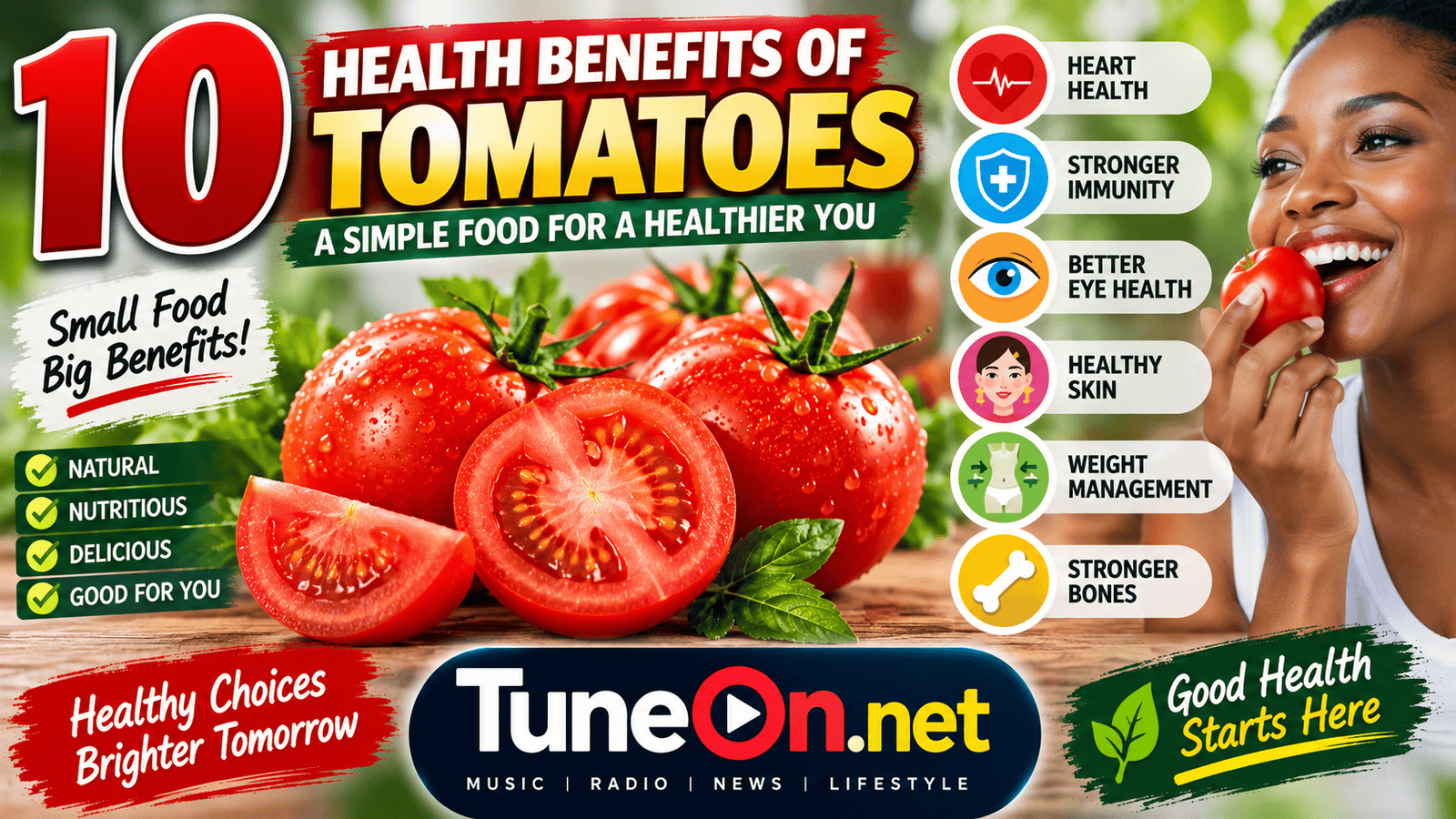
Health benefits of tomatoes include lycopene, vitamin C, potassium and other nutrients that support a balanced diet.
Radio is an important source of health information for many people in Ghana. Programmes can explain public-health campaigns, interview healthcare professionals, discuss nutrition and remind listeners about preventive care. However, health information should be treated carefully because advice that is suitable for one person may not be suitable for another.
The safest approach is to use radio as an educational starting point and verify important medical information with qualified health professionals and reputable health institutions before making treatment decisions.
Why Radio Matters for Health Education
Radio can reach people who may not regularly visit health websites or social media. A well-produced programme can explain medical terms in familiar language and allow listeners to hear directly from doctors, nurses, pharmacists and other professionals.
Radio discussions can also encourage people to seek care when symptoms persist. This is especially useful when programmes explain where people can obtain reliable information or professional assistance.
Not Every Health Claim Is Medical Advice
A common mistake is treating every statement heard on a broadcast as a diagnosis or treatment recommendation. A presenter may discuss a general health topic, but an individual listener has a different medical history, medication list and risk profile.
Claims that a particular herb, drink, supplement or food can cure a serious disease deserve especially careful attention. People should not stop prescribed treatment or substitute unverified remedies simply because they heard a claim on radio or social media.
Look for Qualified Sources
When a programme discusses a medical issue, listeners can consider who is providing the information. A qualified healthcare professional speaking within their area of expertise can provide useful educational guidance, while anonymous social-media claims should receive more scrutiny.
For important questions, listeners can compare the information with guidance from recognised health authorities, hospitals and professional medical organisations.
Ask What Evidence Supports the Claim
Good health communication should explain what is known and what remains uncertain. A single personal story does not prove that a treatment works for everyone. Similarly, a product advertisement should not automatically be treated as independent medical evidence.
Listeners can ask whether a claim is supported by clinical research, public-health guidance or professional consensus. If the evidence is unclear, it is safer to seek individual advice before acting.
Nutrition Information Needs Context
Nutrition programmes can be useful when they focus on balanced eating patterns, food safety and practical choices. But a food that is healthy for many people can still require portion control or special consideration for someone with a medical condition.
People with diabetes, kidney disease, food allergies or other conditions should discuss major dietary changes with their healthcare professional or a qualified dietitian where appropriate.
How to Use Health Radio Responsibly
Write down the name of the programme, the professional interviewed and the main claim. Then check the information through a trusted source before making a significant health decision. If symptoms are severe, persistent or worrying, seek medical attention rather than waiting for another broadcast.
Frequently Asked Questions
Can radio provide reliable health information?
Yes. Radio can provide useful health education when information comes from qualified sources and is communicated accurately. Individual medical decisions still require appropriate professional assessment.
Should I stop medicine after hearing a radio programme?
No. Do not stop prescribed medicine based on general media advice. Discuss changes with a qualified healthcare professional.
How can I check a health claim?
Check reputable health institutions, professional medical sources and qualified healthcare professionals. Be cautious about claims based only on testimonials or product promotion.
Can healthy food prevent every disease?
No single food guarantees prevention or treatment of every disease. Overall diet, lifestyle, genetics, environment and medical care all matter.
Conclusion
Health information on radio can be valuable when it helps people understand health issues and encourages appropriate care. The key is to distinguish general education from personal medical advice, verify important claims and avoid replacing professional treatment with unverified remedies.
This article is for general educational purposes and does not replace personalised medical advice.
About the Author