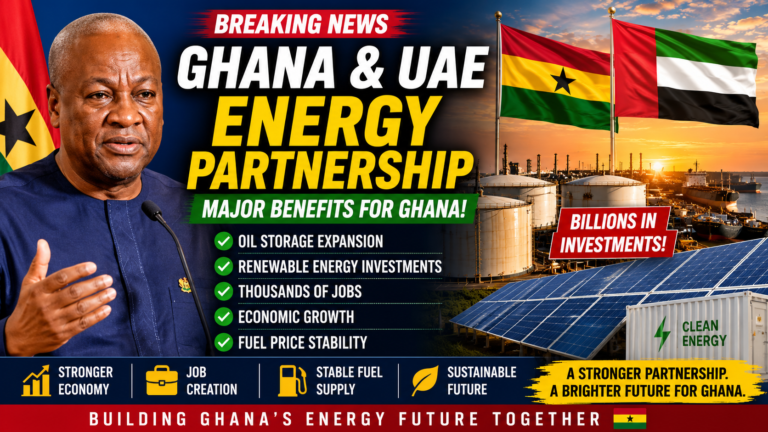

Ghana is strengthening its international energy investments after expanding its strategic partnership with the United Arab Emirates (UAE) in the areas of oil storage, renewable energy, and fuel infrastructure development.International Energy Agency
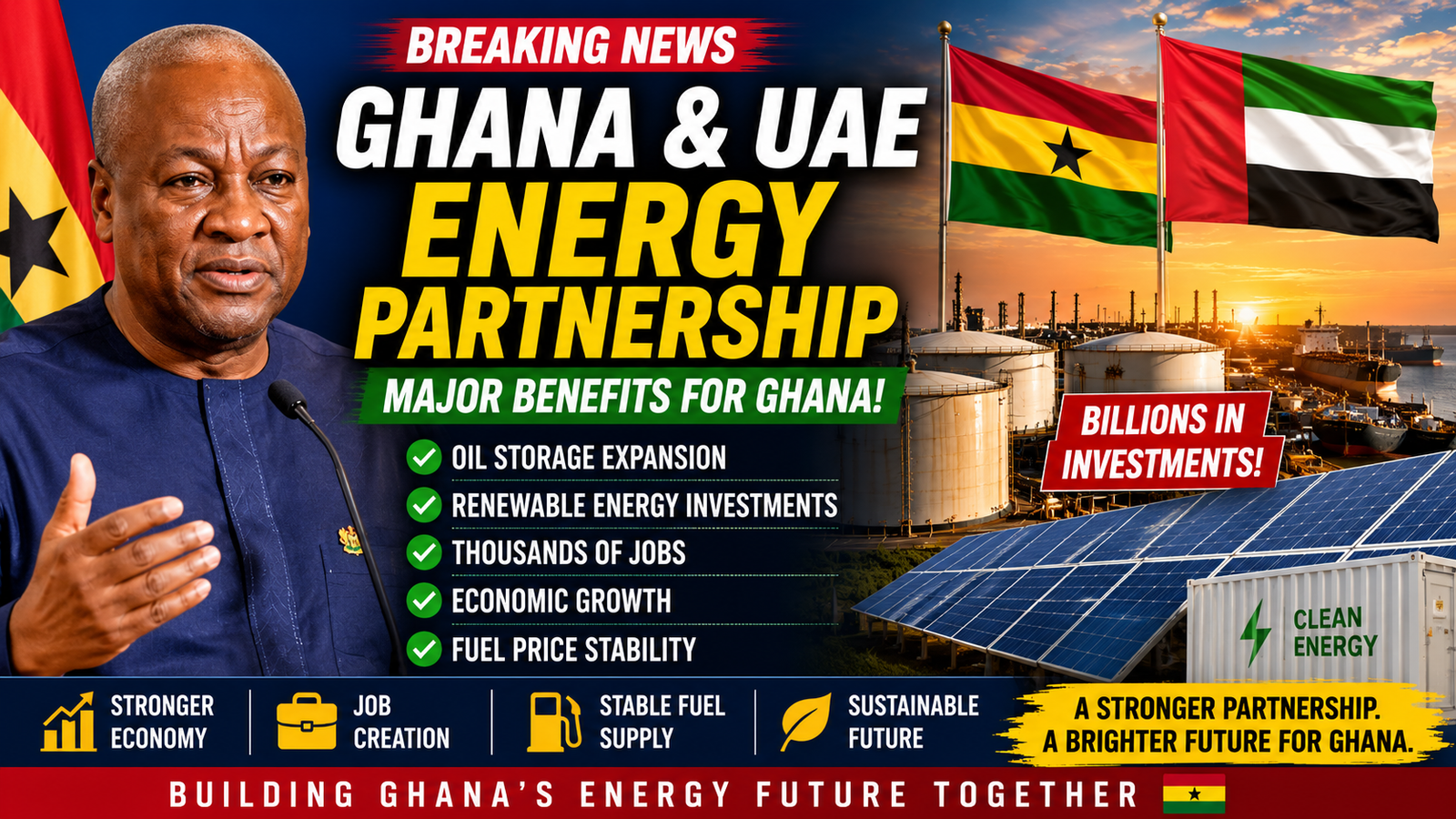
The latest collaboration is expected to improve Ghana’s energy security, attract foreign investment, create jobs, and support the country’s long-term clean energy transition goals.
The agreement comes at a time when Ghana is looking for sustainable energy solutions to stabilise fuel supply, reduce power challenges, and modernise its petroleum storage systems. Experts believe the partnership could position Ghana as one of West Africa’s leading energy and logistics hubs.
Below are 10 important sections explaining the growing Ghana-UAE energy partnership and its impact on Ghana’s economy, oil sector, and renewable energy future.
Ghana and UAE Strengthen Energy Cooperation
The Government of Ghana has taken a major step toward improving the country’s energy sector by expanding its strategic partnership with the United Arab Emirates (UAE). The latest agreement focuses on oil storage infrastructure, renewable energy investments, and long-term energy security, positioning Ghana as one of the fastest-growing energy markets in West Africa.
The growing collaboration between Ghana and the UAE is expected to attract billions of dollars in investment into Ghana’s petroleum and renewable energy industries. Energy experts believe the partnership will help modernise the country’s oil storage systems, improve electricity reliability, and support industrial growth across several sectors of the economy.
One of the major goals of the partnership is to increase Ghana’s oil storage capacity. By improving petroleum storage facilities, Ghana can maintain larger fuel reserves to help stabilise fuel supply during global oil market disruptions. This is important because fuel shortages and rising international crude oil prices often affect transportation, electricity generation, and the overall cost of living in Ghana.
In addition to oil storage, the agreement also focuses heavily on renewable energy development. The UAE is globally recognised for investing in clean energy technologies such as solar power, wind energy, and battery storage systems. Ghana hopes to benefit from the UAE’s expertise by accelerating its renewable energy projects and reducing dependence on fossil fuels over time.
The Ghana and UAE Strengthen Energy Cooperation initiative is also expected to create jobs for engineers, construction workers, technicians, and energy professionals. Large infrastructure projects linked to the agreement could support economic growth while improving local business opportunities in the energy sector.
Government officials say the partnership aligns with Ghana’s long-term vision to become a major energy and logistics hub in Africa. With increasing global demand for sustainable energy and improved fuel infrastructure, Ghana’s collaboration with the UAE may strengthen investor confidence and attract additional international partnerships.
Industry observers believe the agreement could have a positive impact on Ghana’s economy if implemented successfully. Improved energy infrastructure may support industrialisation, lower supply disruptions, and enhance the country’s competitiveness within the African energy market.
As Ghana continues to develop its energy sector, the partnership with the UAE represents a major opportunity to expand oil storage systems, improve renewable energy investment, and secure a more stable energy future for the country.
Oil Storage Expansion Projects in Ghana
Ghana is moving forward with plans to expand its oil storage infrastructure as part of the country’s growing energy partnership with the United Arab Emirates (UAE). The project is expected to improve fuel security, stabilise petroleum supply, and strengthen Ghana’s position as a major energy hub in West Africa.
The oil storage expansion initiative comes at a time when global fuel markets remain unstable due to rising crude oil prices, international conflicts, and supply chain disruptions. By increasing storage capacity, Ghana will be able to maintain larger strategic petroleum reserves that can support the country during emergencies or fuel shortages.
Energy experts say the expansion of oil storage facilities will improve fuel distribution across Ghana while helping reduce delays in petroleum supply. The government believes stronger storage infrastructure can help protect consumers and businesses from sudden fuel price fluctuations caused by global market conditions.
The UAE is internationally recognised for its advanced oil storage technology and petroleum logistics systems. Through the Ghana-UAE energy partnership, Ghana hopes to benefit from technical expertise, investment opportunities, and modern infrastructure development that could transform the country’s energy sector.
The oil storage expansion projects in Ghana are also expected to support industrial growth by ensuring a stable fuel supply for transportation, manufacturing, mining, and electricity generation. Reliable petroleum storage systems play a major role in economic development because businesses depend heavily on fuel availability for daily operations.
In addition to improving fuel security, the project could create thousands of jobs in engineering, construction, transportation, and technical services. Local contractors and energy companies may also benefit from new investment opportunities linked to the infrastructure expansion.
Industry analysts believe Ghana’s strategic location along the Gulf of Guinea makes the country attractive for regional petroleum trade and energy distribution. Expanded oil storage facilities may help Ghana become a key logistics centre for fuel supply across parts of West Africa.
Government officials have indicated that improving energy infrastructure remains a major priority under Ghana’s economic development agenda. The partnership with the UAE is expected to accelerate modernisation efforts while attracting additional foreign direct investment into the petroleum sector.
As Ghana continues to strengthen its energy industry, the oil storage expansion projects could play a major role in ensuring long-term fuel stability, economic growth, and improved energy security for the country.
Renewable Energy Investments Expected to Rise
Ghana is expected to experience a major increase in renewable energy investments following the expansion of its strategic energy partnership with the United Arab Emirates (UAE). The agreement focuses not only on oil storage infrastructure but also on clean energy development, including solar power, wind energy, battery storage systems, and sustainable electricity generation projects.
The Government of Ghana has been working to diversify the country’s energy sources as part of efforts to reduce dependence on fossil fuels and improve long-term energy sustainability. Renewable energy is becoming increasingly important as countries worldwide focus on cleaner alternatives to combat climate change and reduce carbon emissions.
The UAE is considered one of the world’s leading investors in renewable energy technology. Through companies involved in solar power and green infrastructure projects, the UAE has invested heavily in clean energy initiatives across several countries. Ghana hopes to benefit from this expertise to accelerate the development of modern renewable energy systems nationwide.
Experts believe the Renewable Energy Investments Expected to Rise initiative could improve electricity supply reliability in Ghana while reducing pressure on traditional power generation systems. Solar energy projects, in particular, are expected to play a major role because Ghana has strong sunlight conditions suitable for large-scale solar farms.
The partnership may also encourage private investors and international energy companies to enter Ghana’s renewable energy market. Increased foreign investment could lead to the construction of new power plants, energy storage facilities, and green technology projects that create jobs and support economic growth.
Renewable energy development is important for Ghana’s long-term environmental goals. Cleaner energy sources can help reduce greenhouse gas emissions and support global climate change commitments under international environmental agreements.
In addition to environmental benefits, renewable energy projects could improve electricity access in rural communities where power supply remains unreliable. Improved access to clean electricity may support businesses, schools, hospitals, and local economic development across different regions of Ghana.
Energy analysts say Ghana’s collaboration with the UAE may strengthen the country’s position as one of Africa’s emerging renewable energy markets. Investors are increasingly interested in countries with strong clean energy policies and long-term infrastructure plans.
Government officials believe expanding renewable energy infrastructure is critical for the country’s future economic transformation agenda. As demand for electricity continues to rise, Ghana’s investment in solar, wind, and battery technology could help secure stable and affordable energy for millions of people.
The Ghana-UAE partnership represents a major opportunity for renewable energy growth, economic development, and sustainable power generation. If implemented successfully, the agreement could reshape Ghana’s energy sector and support the country’s transition toward a cleaner and more reliable energy future.
Economic Benefits for Ghana
The expanding energy partnership between Ghana and the United Arab Emirates (UAE) is expected to bring major economic benefits to the country through increased investment, job creation, infrastructure development, and improved industrial growth. Government officials and energy experts believe the collaboration could strengthen Ghana’s economy while positioning the country as one of West Africa’s leading energy investment destinations.
One of the biggest advantages of the partnership is the potential increase in foreign direct investment (FDI) into Ghana’s energy sector. Large-scale projects involving oil storage infrastructure, renewable energy systems, and logistics development could attract billions of dollars from international investors and private companies interested in Africa’s growing energy market.
The Economic Benefits for Ghana are also expected to include the creation of thousands of new jobs across different sectors. Construction projects linked to oil storage facilities, renewable energy plants, and infrastructure modernization may provide employment opportunities for engineers, technicians, drivers, construction workers, and energy professionals.
Local businesses may also benefit from the partnership through contracts, supply chain opportunities, and service agreements connected to the energy projects. Experts say stronger investment in infrastructure can stimulate economic activity and improve business confidence nationwide.
Another major benefit is the potential improvement in electricity reliability and fuel supply stability. Stable energy systems are important for industries such as manufacturing, transportation, mining, agriculture, and telecommunications. Reliable power and fuel access can help businesses reduce operational costs and improve productivity.
The partnership could also support Ghana’s industrialization agenda by providing the energy infrastructure needed for factories, industrial parks, and export businesses. Improved petroleum storage and renewable energy projects may encourage more companies to establish operations in Ghana.
Energy analysts believe the collaboration with the UAE could strengthen Ghana’s reputation as an emerging energy and logistics hub in Africa. This may lead to additional partnerships with international investors seeking opportunities in oil, gas, renewable energy, and transportation infrastructure.
Government officials have indicated that the agreement aligns with Ghana’s broader economic transformation goals, including job creation, poverty reduction, and sustainable development. Increased investment in energy infrastructure may also improve tax revenue and foreign exchange earnings over time.
In addition to direct economic gains, the partnership may help Ghana reduce losses caused by fuel shortages, electricity disruptions, and unstable energy supply chains. Stronger infrastructure could support long-term economic resilience during periods of global market uncertainty.
The Ghana-UAE energy partnership represents a major opportunity for economic growth and national development. If the projects are implemented successfully, Ghana could experience increased industrial expansion, improved investor confidence, and stronger economic stability in the years ahead.
Ghana’s Vision to Become an Energy Hub
Ghana is working toward becoming one of the leading energy and logistics hubs in West Africa through major investments in oil storage infrastructure, renewable energy development, and international energy partnerships. The expanding collaboration between Ghana and the United Arab Emirates (UAE) is expected to play a key role in helping the country achieve this long-term vision.
Government officials believe Ghana’s strategic location along the Gulf of Guinea gives the country a major advantage in regional petroleum trade, fuel distribution, and energy transportation across Africa. Improved infrastructure linked to the partnership could position Ghana as an important center for oil storage, logistics services, and renewable energy investment in the region.
The Ghana’s Vision to Become an Energy Hub initiative focuses on strengthening the country’s energy capacity through modern petroleum storage systems, stable fuel supply networks, and clean energy projects. Large-scale investments in energy infrastructure are expected to improve operational efficiency while supporting economic growth and industrial development.
One of the key priorities under the vision is expanding Ghana’s oil storage facilities to support regional fuel distribution. Increased storage capacity may allow Ghana to supply petroleum products to neighboring countries while reducing the risk of fuel shortages during global supply disruptions.
In addition to oil storage, renewable energy development is becoming an important part of Ghana’s strategy. The government aims to increase investments in solar power, wind energy, and sustainable electricity systems to meet rising energy demand while reducing environmental impact.
Energy experts say becoming a regional energy hub could attract major international investors seeking opportunities in Africa’s growing energy market. Improved infrastructure, stable energy policies, and strategic partnerships may strengthen Ghana’s reputation as a preferred destination for energy business operations.
The partnership with the UAE could also help improve Ghana’s logistics and transportation systems connected to the petroleum industry. Modern fuel storage facilities, ports, and distribution networks are essential for efficient regional trade and energy supply management.
Industrial growth is another important factor driving Ghana’s energy hub ambitions. Reliable fuel supply and improved electricity systems can support factories, mining operations, transportation services, and export industries that depend heavily on stable energy infrastructure.
Analysts believe Ghana has strong potential to compete with other African countries seeking to become regional energy leaders. The combination of international partnerships, infrastructure investment, and renewable energy development may give Ghana a competitive advantage within the West African energy sector.
Government officials have emphasized that energy security and economic transformation remain key national priorities. By improving oil storage systems and expanding renewable energy projects, Ghana hopes to strengthen long-term economic resilience and support sustainable development goals.
If successfully implemented, Ghana’s vision to become an energy hub could generate jobs, attract foreign investment, increase trade opportunities, and position the country as a major player in Africa’s growing energy industry.
UAE’s Growing Influence in African Energy Markets
The United Arab Emirates (UAE) has continued to expand its influence across Africa through major investments in energy, infrastructure, logistics, and renewable power projects. Ghana is now becoming one of the key African countries benefiting from the UAE’s growing interest in the continent’s rapidly developing energy sector.
Over the past decade, UAE-based companies and investors have increased their presence in African markets by funding oil storage facilities, petroleum logistics systems, solar power plants, transportation infrastructure, and port development projects. The latest partnership between Ghana and the UAE reflects the Gulf nation’s broader strategy to strengthen economic and energy ties with African countries.
The UAE’s Growing Influence in African Energy Markets initiative is driven by rising global demand for energy security, clean energy investments, and international trade partnerships. African countries such as Ghana are viewed as attractive investment destinations because of their natural resources, growing populations, and expanding infrastructure needs.
The UAE is globally recognized for its expertise in oil production, energy management, logistics, and renewable energy technology. Companies from the UAE have developed advanced petroleum storage systems and large-scale clean energy projects in several parts of the world. Ghana hopes to benefit from this expertise through improved energy infrastructure and increased investment opportunities.
Industry analysts believe the partnership could help modernize Ghana’s petroleum sector while supporting long-term economic development. Increased investment in oil storage facilities and renewable energy projects may improve fuel supply reliability, electricity generation, and industrial productivity across the country.
The UAE has also shown strong interest in renewable energy expansion throughout Africa. Through investments in solar and green energy projects, UAE firms are supporting countries seeking cleaner and more sustainable electricity solutions. Ghana’s renewable energy sector could experience significant growth under the partnership.
Economic experts say the UAE’s involvement in Africa is creating new opportunities for job creation, infrastructure development, and foreign direct investment. Countries that successfully attract international energy partnerships often experience improvements in industrialization, transportation systems, and economic competitiveness.
The growing relationship between Ghana and the UAE may also strengthen trade and diplomatic cooperation between the two nations. Improved economic ties could lead to additional investments in sectors beyond energy, including technology, transportation, manufacturing, and agriculture.
Some analysts believe the UAE’s strategy in Africa is partly aimed at securing long-term energy partnerships and expanding global trade influence. Africa’s growing energy demand and large consumer markets make the continent increasingly important to international investors.
Government officials in Ghana have welcomed the partnership, describing it as a major opportunity to improve infrastructure and support economic transformation. The collaboration may help Ghana become more competitive within the African energy market while attracting additional global investors.
As the UAE continues expanding its investments across Africa, Ghana’s partnership with the Gulf nation could become one of the country’s most important international energy collaborations in the coming years.
Environmental Impact and Sustainability Goals
The expanding energy partnership between Ghana and the United Arab Emirates (UAE) is expected to play a major role in supporting environmental sustainability and clean energy development across the country. As part of the agreement, both nations are exploring opportunities to increase renewable energy investments while reducing dependence on fossil fuels and improving long-term environmental protection.
The Environmental Impact and Sustainability Goals initiative focuses on promoting cleaner energy alternatives such as solar power, wind energy, and battery storage systems. These renewable energy projects are designed to reduce greenhouse gas emissions while helping Ghana transition toward a more sustainable and environmentally friendly energy sector.
Climate change has become a major global concern, with many countries working to reduce carbon emissions and adopt cleaner energy technologies. Ghana has committed to several international environmental agreements aimed at improving sustainability and reducing the impact of climate-related challenges such as flooding, drought, and rising temperatures.
Energy experts believe renewable energy investments linked to the Ghana-UAE partnership could significantly improve Ghana’s ability to meet its climate and environmental targets. Solar energy projects are expected to play a particularly important role because Ghana receives strong sunlight throughout the year, making it suitable for large-scale solar power generation.
The UAE is internationally recognized for investing heavily in renewable energy technology and sustainable infrastructure. Through advanced clean energy projects around the world, UAE companies have gained experience in developing solar farms, green energy systems, and environmentally friendly infrastructure solutions.
Environmental analysts say increasing renewable energy capacity may also reduce pressure on traditional electricity generation systems that rely heavily on fossil fuels. Cleaner energy alternatives can help improve air quality and reduce pollution associated with fuel-based power generation.
The partnership could also support sustainable economic growth by encouraging green technology innovation and environmentally responsible investment practices. Many international investors are now prioritizing countries with strong sustainability policies and renewable energy development plans.
In addition to environmental benefits, renewable energy projects may improve electricity access in rural communities where power supply remains unreliable. Access to clean and stable electricity can support schools, hospitals, businesses, and local industries while improving living conditions for many people.
Government officials believe balancing economic growth with environmental protection is essential for Ghana’s long-term development agenda. Investments in renewable energy infrastructure may help create jobs while supporting sustainable industrialization and energy security.
Industry observers say the Ghana-UAE energy partnership represents a major opportunity to accelerate the country’s transition toward cleaner energy systems. Successful implementation of renewable projects could strengthen Ghana’s position as one of Africa’s emerging leaders in sustainable energy development.
As global demand for environmentally friendly energy solutions continues to rise, Ghana’s collaboration with the UAE may play a critical role in shaping a cleaner, more resilient, and sustainable energy future for the country.
Reactions from Industry Experts
The growing energy partnership between Ghana and the United Arab Emirates (UAE) has attracted positive reactions from industry experts, energy analysts, business leaders, and investment observers. Many believe the agreement could become a major turning point for Ghana’s energy sector, particularly in areas such as oil storage infrastructure, renewable energy development, and long-term energy security.
Several analysts have described the partnership as a strategic move that may strengthen investor confidence and increase international interest in Ghana’s energy market. According to industry experts, the involvement of UAE investors and energy companies could accelerate infrastructure modernization while improving the country’s competitiveness within Africa’s growing energy industry.
The Reactions from Industry Experts initiative highlights the importance of international partnerships in helping developing economies improve infrastructure and attract foreign direct investment. Experts say Ghana’s collaboration with the UAE demonstrates the country’s commitment to expanding energy capacity and supporting sustainable economic growth.
Energy professionals have particularly welcomed plans to improve oil storage systems and fuel reserve capacity. They believe stronger petroleum infrastructure could help Ghana reduce fuel shortages, improve supply chain reliability, and better manage global market disruptions that affect fuel prices and energy stability.
Renewable energy advocates have also praised the focus on clean energy investment under the partnership. Environmental and energy analysts say increased investment in solar power, wind energy, and sustainable electricity projects could support Ghana’s long-term climate goals while reducing dependence on fossil fuels.
Business leaders argue that stable energy systems are critical for economic development and industrial expansion. Improved electricity reliability and fuel supply could benefit sectors such as manufacturing, transportation, mining, agriculture, and telecommunications, which rely heavily on stable energy infrastructure.
Some experts, however, have emphasized the need for transparency, effective regulation, and proper project implementation. Analysts say successful execution of the agreement will depend on strong governance, accountability, and efficient management of resources and investment funds.
Industry observers also stress the importance of ensuring that local businesses and Ghanaian workers benefit from the partnership. They believe local contractors, engineers, and energy companies should be actively involved in the development and operation of the infrastructure projects.
Economic analysts have noted that the UAE’s growing investment presence in Africa reflects increasing global competition for energy and infrastructure opportunities on the continent. Ghana’s stable political environment and growing economy make it an attractive destination for long-term investment.
Government officials have welcomed the positive response from industry stakeholders and continue to emphasize the importance of international collaboration in driving economic transformation. Authorities believe the partnership aligns with Ghana’s broader development agenda, including job creation, industrial growth, and energy security.
As discussions and project planning continue, many experts remain optimistic that the Ghana-UAE energy partnership could deliver significant economic and environmental benefits for the country if managed successfully.
Other stories
-
10 Best Kumasi FM Stations to Listen Live Online in Ghana
-
Ghana Radio Stations
-
10 Best Radio Stations in Accra for Live Streaming in 2026
-
7 Powerful Reasons Arsenal Defeated Atletico Madrid to Reach UCL Final
-
10 Powerful Reasons Why Online Radio is Growing Fast in Africa
-
10 Powerful Foods That Improve Vision and Brain Health Fast
About the Author